Blog

  • Healing Plants: The Ultimate Guide to Medicinal Herbs and Their Therapeutic Powers

    Healing Plants: The Ultimate Guide to Medicinal Herbs and Their Therapeutic Powers

    Introduction

    Healing plants have served as humanity’s primary source of medicine for tens of thousands of years, long before the advent of modern pharmaceuticals. Today, despite remarkable advances in synthetic drug development, medicinal plants continue to provide effective, accessible, and often safer alternatives for treating a wide range of health conditions. From the anti-inflammatory power of turmeric to the calming effects of lavender, healing plants offer nature’s pharmacy directly at our fingertips.
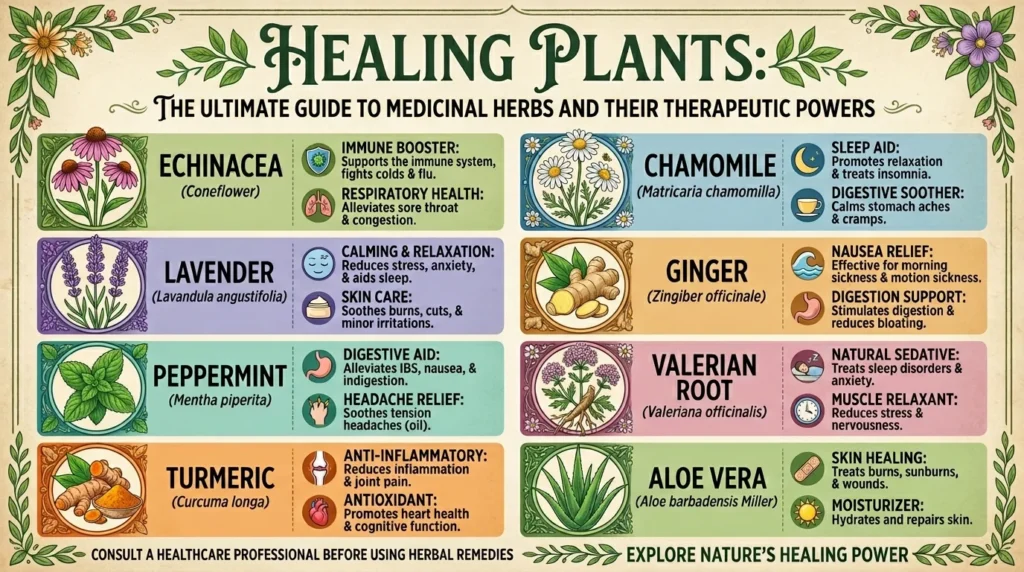
    This comprehensive guide explores the most potent healing plants used across traditional medicine systems worldwide, examining their scientific evidence, practical applications, and safety considerations. Whether you are seeking natural remedies for common ailments or wishing to deepen your understanding of botanical medicine, this article provides the essential knowledge you need to harness the therapeutic potential of healing plants.

    Table of Contents

    SectionTopic
    1What Are Healing Plants and How Do They Work
    2Top 15 Healing Plants and Their Medicinal Uses
    3Healing Plants by Body System
    4Methods of Preparing Healing Plants
    5Scientific Evidence Behind Herbal Medicine
    6Safety Guidelines for Using Healing Plants
    7Growing Your Own Healing Plant Garden
    8Frequently Asked Questions (FAQs)
    9Conclusion

    1. What Are Healing Plants and How Do They Work

    Healing plants, also known as medicinal plants or herbs, are botanical species that contain bioactive compounds capable of preventing, alleviating, or curing diseases. Unlike synthetic pharmaceuticals that typically isolate a single active ingredient, healing plants produce hundreds or thousands of secondary metabolites that work synergistically to produce therapeutic effects with generally fewer side effects.

    The primary classes of healing compounds found in plants include alkaloids (nitrogen-containing compounds like caffeine, morphine, and berberine that affect nervous system and metabolism), glycosides (compounds that release active sugars upon hydrolysis, including cardiac glycosides from foxglove), polyphenols (antioxidant-rich compounds including flavonoids, tannins, and lignans that protect against oxidative stress), terpenes (aromatic compounds responsible for essential oil properties, including anti-inflammatory and antimicrobial actions), and mucilage (soluble fibers that soothe mucous membranes and support digestive health).

    Healing plants exert their effects through multiple mechanisms simultaneously. A single plant may contain anti-inflammatory, antimicrobial, analgesic, antioxidant, and immunomodulatory compounds that work together to address complex health conditions. This synergy explains why whole-plant extracts often outperform isolated compounds in clinical studies.

    2. Top 15 Healing Plants and Their Medicinal Uses

    Healing PlantPrimary Active CompoundsMain Therapeutic UsesPreparation Methods
    TurmericCurcuminoidsInflammation, arthritis, digestive disorders, wound healingTea, golden milk, capsules, powder, tincture
    GingerGingerols, shogaolsNausea, motion sickness, inflammation, pain, digestive healthFresh tea, capsules, tincture, powder, compress
    GarlicAllicinCardiovascular health, immune support, antimicrobial, blood pressureRaw, aged extract, capsules, oil, honey infusion
    EchinaceaAlkamides, cichoric acidImmune stimulation, cold prevention and treatment, wound healingTea, tincture, capsules, glycerite
    ChamomileApigenin, bisabololAnxiety, insomnia, digestive upset, skin inflammation, menstrual painTea, essential oil, compress, bath soak
    PeppermintMenthol, menthoneIrritable bowel syndrome, headaches, respiratory congestion, nauseaTea, essential oil, capsules, inhaler
    LavenderLinalool, linalyl acetateAnxiety, sleep disorders, depression symptoms, skin healingEssential oil, tea, sachet, bath salts
    Milk ThistleSilymarinLiver protection, toxin exposure support, cirrhosis, hepatitisCapsules, tincture, seeds, powder
    AshwagandhaWithanolidesStress, fatigue, cognitive function, adrenal support, vitalityPowder, capsules, tincture, tea
    Aloe VeraAcemannan, anthraquinonesBurns, wound healing, constipation, skin hydrationFresh gel, juice, cream, powder
    CalendulaFlavonoids, triterpenesWound healing, skin irritation, diaper rash, mouth ulcersInfused oil, salve, tea, compress
    ValerianValerenic acidInsomnia, nervous tension, anxiety, restlessnessTea, tincture, capsules, sleep pillow
    Holy BasilEugenol, ursolic acidStress adaptation, respiratory health, blood sugar regulationTea, capsules, tincture, fresh leaves
    ElderberryAnthocyanins, flavonoidsCold and flu symptoms, immune modulation, sinus congestionSyrup, tea, gummies, tincture
    FeverfewParthenolideMigraine prevention, headache reduction, inflammationTea, capsules, tincture, fresh leaves

    3. Healing Plants by Body System

    Immune System Support – Echinacea stimulates immune cell activity and reduces cold duration when taken at first symptoms. Elderberry inhibits viral replication and reduces flu severity. Garlic enhances natural killer cell activity and reduces infection frequency. Astragalus supports long-term immune function, particularly for recurrent infections. Ginger provides antimicrobial activity against respiratory pathogens.

    Digestive System Health – Peppermint oil capsules are clinically effective for irritable bowel syndrome, reducing abdominal pain and bloating. Ginger accelerates gastric emptying and effectively treats nausea from pregnancy, chemotherapy, and motion sickness. Chamomile reduces gas, cramping, and inflammation throughout the digestive tract. Slippery elm coats and soothes irritated mucous membranes in gastritis and esophagitis. Fennel seed reduces colic in infants and flatulence in adults. Licorice root (deglycyrrhizinated form) supports healing of gastric and duodenal ulcers.

    Nervous System and Mental Health – St. John’s wort demonstrates efficacy comparable to standard antidepressants for mild to moderate depression, though with significant drug interactions. Lavender oil capsules reduce generalized anxiety disorder symptoms. Ashwagandha lowers cortisol levels and improves stress resilience. Passionflower reduces anxiety and improves sleep quality without morning drowsiness. Lemon balm improves cognitive performance and calmness during stressful situations. Valerian root reduces sleep onset time and improves sleep quality, particularly for people with insomnia.

    Cardiovascular System – Garlic reduces blood pressure, total cholesterol, and LDL cholesterol while increasing HDL. Hawthorn berry improves exercise tolerance in heart failure and reduces angina symptoms. Hibiscus tea lowers blood pressure comparable to some prescription medications. Turmeric improves endothelial function and reduces arterial inflammation. Ginger has antiplatelet effects and reduces cardiovascular risk markers.

    Respiratory System – Thyme contains thymol, a powerful expectorant and antimicrobial compound effective for bronchitis and whooping cough. Eucalyptus oil opens airways and reduces cough severity. Mullein soothes respiratory mucous membranes and reduces dry cough. Elderflower reduces sinus congestion and fever. Licorice root soothes sore throats and has antitussive properties. Oregano oil provides strong antimicrobial activity against respiratory pathogens.

    Skin and Wound Healing – Aloe vera gel accelerates burn healing, reduces pain, and improves skin hydration. Calendula promotes granulation tissue formation and reduces inflammation in wounds, burns, and rashes. Tea tree oil provides broad-spectrum antimicrobial activity for acne, fungal infections, and minor wounds. Witch hazel reduces inflammation and bleeding in hemorrhoids and varicose veins. Plantain leaf draws splinters and reduces insect bite inflammation. Comfrey leaf (topical use only, never internally) speeds bone and soft tissue healing.

    Hormonal and Reproductive Health – Vitex (chaste tree berry) normalizes prolactin levels and reduces premenstrual syndrome symptoms. Black cohosh reduces menopausal hot flashes and night sweats. Dong quai supports female reproductive health and menstrual regulation. Maca root improves libido and sexual function in both men and women. Saw palmetto reduces benign prostatic hyperplasia symptoms.

    4. Methods of Preparing Healing Plants

    The method of preparation significantly affects which compounds are extracted and how effectively they work.

    Infusion (Herbal Tea) – Pour boiling water over dried or fresh leaves and flowers, cover, and steep for 5-15 minutes. This method extracts water-soluble compounds including polyphenols, flavonoids, and mucilage. Best for chamomile, peppermint, nettle, lemon balm, and elderflower. Use 1-2 teaspoons dried herb or 2-4 teaspoons fresh herb per cup of water.

    Decoction – Simmer harder plant parts (roots, bark, seeds, berries) in boiling water for 15-45 minutes. This longer extraction time releases compounds from tougher cellular structures. Best for ginger, turmeric, burdock root, astragalus, and cinnamon bark. Use 1-2 teaspoons dried root or bark per cup of water.

    Tincture – Soak plant material in alcohol (typically 40-60% vodka or brandy) for 4-6 weeks, then strain. Alcohol extracts a broader range of compounds than water, including alkaloids, resins, and many terpenes. Tinctures have a shelf life of 3-5 years or longer. Typical dosage is 1-2 droppersful (30-60 drops) taken in water or juice.

    Glycerite – Similar to tincture but using vegetable glycerin instead of alcohol. Glycerin extracts are alcohol-free, making them suitable for children and people avoiding alcohol. Glycerites have a shorter shelf life (1-2 years) and are less potent than alcohol tinctures.

    Herbal Oil Infusion – Steep dried herbs in carrier oil (olive, coconut, jojoba) for 2-6 weeks, using sunlight or gentle heat to facilitate extraction. Used for topical preparations including salves, balms, and massage oils. Best for calendula, St. John’s wort, lavender, and comfrey.

    Salve or Ointment – Combine herbal oil infusion with beeswax to create a semi-solid preparation for topical application. Salves provide barrier protection while delivering herbal compounds to the skin.

    Herbal Syrup – Combine a strong infusion or decoction with honey or sugar, heated to preserve. Useful for cough remedies and medicines for children. Refrigerate and use within 1-2 months.

    Poultice and Compress – Apply fresh or rehydrated crushed herbs directly to skin for localized treatment. Compresses use cloth soaked in herbal infusion or decoction. Effective for wounds, insect bites, joint inflammation, and skin infections.

    Capsules and Powders – Dried, powdered herbs encapsulated for convenient consumption. Less potent than tinctures but useful for herbs with unpleasant taste or for precise dosing. Powders have slower absorption than liquids.

    5. Scientific Evidence Behind Herbal Medicine

    Modern research has validated many traditional uses of healing plants. Understanding the evidence level helps distinguish well-supported remedies from speculative ones.

    Strong Clinical Evidence Exists For – St. John’s wort for mild to moderate depression (meta-analyses of over 30 clinical trials). Peppermint oil for irritable bowel syndrome (multiple randomized controlled trials). Ginger for pregnancy-induced nausea and vomiting (systematic reviews showing efficacy comparable to vitamin B6). Hawthorn for chronic heart failure (improves symptoms and exercise tolerance). Saw palmetto for mild to moderate benign prostatic hyperplasia (reduces nighttime urination and improves flow rate). Turmeric for osteoarthritis pain (comparable to ibuprofen in some studies). Echinacea for reducing cold duration and severity (modest but statistically significant effects).

    Moderate Evidence Supports – Valerian for insomnia (improves sleep quality with consistent use over 2-4 weeks). Milk thistle for liver conditions (improves liver enzymes in alcoholic and viral hepatitis). Elderberry for influenza symptoms (reduces duration by 2-4 days). Ashwagandha for stress and anxiety (reduces cortisol and improves stress scale scores). Feverfew for migraine prevention (reduces attack frequency and severity).

    Preliminary Evidence Indicates Potential For – Holy basil for blood sugar regulation. Lemon balm for cognitive improvement in Alzheimer’s disease. Andrographis for upper respiratory infections. Rhodiola for fatigue and stress-related burnout.

    Important Limitations of Herbal Research – Many studies have small sample sizes. Standardization varies between products. Funding for herbal research is far less than for pharmaceuticals. Long-term safety data is often limited. Publication bias may favor positive results.

    6. Safety Guidelines for Using Healing Plants

    While healing plants are generally safer than synthetic drugs, they are not without risks. Follow these essential safety guidelines.

    Pregnancy and Breastfeeding – Many healing plants are contraindicated during pregnancy and lactation. Avoid high doses of sage, parsley, pennyroyal, blue cohosh, and black cohosh during pregnancy. Chamomile, ginger, and raspberry leaf are generally considered safe in food amounts but consult your healthcare provider before medicinal use.

    Drug Interactions – Healing plants can interact significantly with prescription medications. St. John’s wort reduces efficacy of birth control pills, anticoagulants, antidepressants, immunosuppressants, and many other drugs by inducing liver enzymes. Ginkgo, garlic, ginger, ginseng, and turmeric increase bleeding risk when combined with warfarin, aspirin, or clopidogrel. Licorice root increases potassium loss when taken with diuretics. Always inform your doctor and pharmacist about all herbs you use.

    Medical Conditions Requiring Caution – People with liver disease should avoid herbs with potential hepatotoxicity (kava, comfrey, pennyroyal, greater celandine). People with kidney disease should avoid herbs containing nephrotoxic compounds (aristolochic acid herbs, some traditional Chinese medicine blends). People with hormone-sensitive conditions (breast cancer, endometriosis, uterine fibroids) should avoid phytoestrogenic herbs (red clover, black cohosh, soy isoflavones). People scheduled for surgery should discontinue blood-thinning herbs 2 weeks before procedure.

    Quality and Sourcing – Purchase healing plants from reputable suppliers who test for heavy metals, pesticides, and microbial contamination. Look for organic certification, GMP certification, and third-party testing seals (USP, NSF, ConsumerLab). Avoid wildcrafted herbs unless you have botanical identification training, as poisonous look-alikes exist. Never harvest from roadsides, industrial sites, or areas with pesticide application.

    Appropriate Dosing – Start with low doses and increase gradually. More is not better with healing plants. Follow package directions or consult a qualified herbalist. Children generally require weight-based dosing (approximately one-quarter to one-half of adult dose). Elderly individuals may also require reduced dosing due to slower metabolism.

    Adverse Effects to Watch For – Discontinue use and seek medical attention for allergic reactions (rash, hives, difficulty breathing, lip or tongue swelling), severe gastrointestinal symptoms (vomiting, bloody diarrhea, severe abdominal pain), neurological symptoms (severe headache, vision changes, confusion, seizures), or signs of liver injury (yellow skin or eyes, dark urine, severe fatigue, nausea).

    7. Growing Your Own Healing Plant Garden

    Cultivating your own healing plants provides fresh, free, and high-quality medicine while connecting you directly with nature’s pharmacy.

    Beginner-Friendly Healing Plants to Grow – Peppermint (perennial, aggressive spreader, grow in containers). Chamomile (annual, self-seeding, full sun). Calendula (annual, continuous blooms, easy from seed). Lavender (perennial, drought-tolerant, full sun). Lemon balm (perennial, easy to grow, spreads). Thyme (perennial, low-growing, full sun). Sage (perennial, drought-tolerant, full sun). Rosemary (perennial, needs winter protection in cold climates).

    Garden Planning Considerations – Assess your growing zone, sunlight availability, soil type, and water access. Most healing plants prefer 6-8 hours of direct sunlight daily. Group plants with similar water needs together. Start with 5-10 plants rather than overwhelming yourself. Allow adequate spacing for mature plant size.

    Organic Growing Practices – Build healthy soil with compost and organic matter. Use companion planting to deter pests. Water deeply but infrequently to encourage deep roots. Mulch to suppress weeds and retain moisture. Never use synthetic pesticides or herbicides on medicinal plants, as these chemicals concentrate in the final medicine.

    Harvesting Guidelines – Harvest leaves and flowers in the morning after dew evaporates but before heat stress. Harvest roots in autumn after the plant has stored energy. Use clean, sharp tools. Never harvest more than one-third of the plant at once to preserve plant health. Harvest only healthy plants free from disease and pest damage.

    Drying and Storage – Dry herbs in a warm, dark, well-ventilated area out of direct sunlight. Hang bundles or lay loose herbs on screens. Herbs are fully dry when stems snap instead of bending. Store completely dry herbs in airtight glass jars away from light and heat. Label with plant name and harvest date. Properly dried and stored herbs retain potency for 6-12 months.

    8. Frequently Asked Questions (FAQs)

    Q1: Are healing plants safe for children?
    A: Many healing plants are safe for children when used appropriately at reduced dosages. Gentle herbs like chamomile, calendula, and lemon balm are suitable for children over age 2. Avoid essential oils (except under expert guidance), strong bitters, and herbs with significant drug interactions. Always consult a pediatrician or pediatric herbalist before treating children.

    Q2: Can I take multiple healing plants together?
    A: Yes, herbal formulas often combine 3-10 plants for synergistic effects. However, start with single herbs to understand individual responses before combining. Avoid combining multiple herbs that affect the same body system (for example, multiple blood thinners or multiple sedatives) without professional guidance.

    Q3: How long does it take for healing plants to work?
    A: Onset varies by plant and condition. Acute symptoms (anxiety, nausea, cold symptoms) may respond within hours to 2-3 days. Chronic conditions (insomnia, arthritis, digestive disorders) typically require 2-6 weeks of consistent use. Unlike pharmaceuticals that suppress symptoms, healing plants work with body systems to restore balance, which takes time.

    Q4: Are dried healing plants as effective as fresh?
    A: Dried plants are often more potent than fresh for certain applications because water removal concentrates compounds. However, volatile oils (menthol, linalool) degrade with drying, so aromatic herbs are best fresh. Roots and barks are almost always used dried. Properly dried and stored herbs retain therapeutic activity for 6-12 months.

    Q5: Can healing plants replace my prescription medications?
    A: Never discontinue prescription medications without medical supervision, even if you feel better. Some healing plants can replace pharmaceuticals for certain conditions (peppermint oil for IBS, St. John’s wort for mild depression, garlic for mild hypertension), but this decision requires professional guidance. Use healing plants alongside prescribed treatments unless your doctor advises otherwise.

    Q6: What is the difference between a healing plant and a poisonous plant?
    A: The same chemical compounds that heal in appropriate doses can harm in excessive amounts. The distinction between medicine and poison is often dose-dependent. Some plants (comfrey, kava, ephedra) have narrow therapeutic windows and significant toxicity at slightly higher doses. Never consume any plant unless you have positively identified it and understand its safe dosage range.

    Q7: How do I choose quality commercial herbal products?
    A: Look for organic certification, GMP certification on the label, Latin binomial name (not just common name), plant part used, extraction ratio, and expiration date. Avoid products with proprietary blends, fillers, or flow agents. Brands with third-party testing (USP, NSF, ConsumerLab Verified) provide additional quality assurance.

    Q8: Are essential oils the same as healing plants?
    A: Essential oils are highly concentrated extracts of volatile compounds, typically 50-100 times more concentrated than dried herb. Essential oils require significant dilution for safe use (typically 1-5% in carrier oil). Never ingest essential oils except under expert guidance. Healing teas, tinctures, and capsules are generally safer for internal use.

    Q9: Can healing plants treat cancer?
    A: No healing plant has been proven to cure cancer in humans. Some plants (turmeric, green tea, mistletoe) show anticancer properties in laboratory studies, but human evidence is limited to supportive care (symptom management, treatment side effect reduction). Never use herbs as a substitute for conventional cancer treatment. Inform your oncologist about all herbs you take, as some interfere with chemotherapy.

    Q10: How do I learn more about healing plants?
    A: Take courses from reputable herbal schools (The Herbal Academy, Chestnut School of Herbal Medicine, Dominion Herbal College). Read evidence-based books (The Herbal Medicine-Maker’s Handbook by James Green, Medical Herbalism by David Hoffmann). Apprentice with an experienced clinical herbalist. Join local herb walks and plant identification groups. Start with 10-20 common plants and learn them deeply before expanding.

    9. Conclusion

    Healing plants represent one of humanity’s most valuable and accessible health resources. From the backyard garden to the wilderness, medicinal herbs offer effective, affordable, and generally safe treatments for a vast range of common ailments. The resurgence of interest in botanical medicine reflects both dissatisfaction with pharmaceutical side effects and a growing recognition that nature’s pharmacy provides sophisticated, synergistic healing that synthetic single compounds cannot replicate.

    Whether you sip chamomile tea for relaxation, apply calendula salve to a minor wound, take elderberry syrup at the first sign of a cold, or work with an herbalist to address chronic health challenges, healing plants can support your wellness journey. The key is education: understanding which plants work for which conditions, how to prepare them properly, and when professional medical care remains necessary.

    Your relationship with healing plants can begin today, whether by purchasing a single dried herb from a reputable source, planting seeds in a windowsill pot, or scheduling a consultation with a qualified herbalist. Each small step connects you to an ancient tradition of plant-based healing and empowers you to take greater responsibility for your own health.
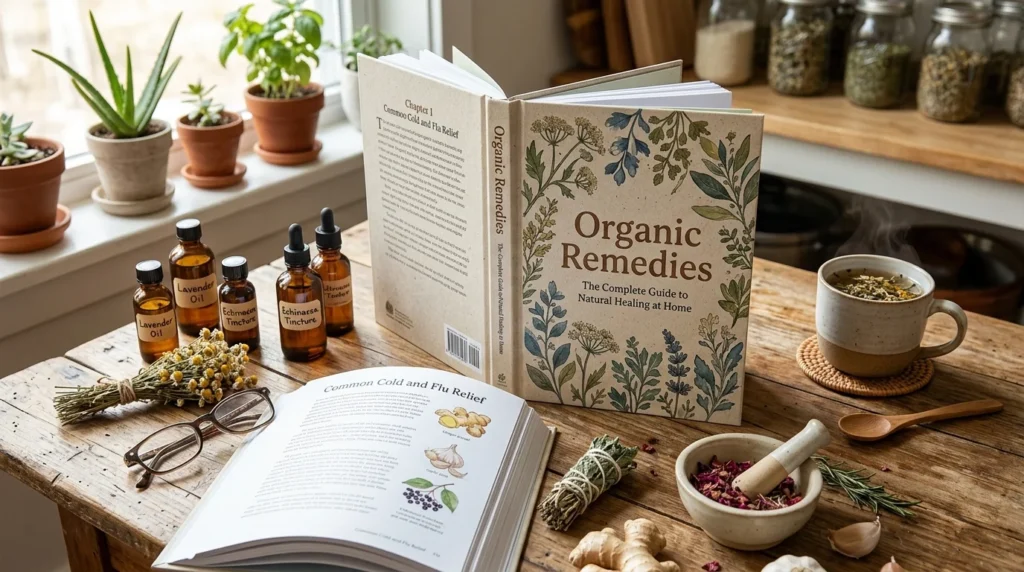
  • Organic Remedies: The Complete Guide to Natural Healing at Home

    Organic Remedies: The Complete Guide to Natural Healing at Home

    Introduction

    The shift toward organic remedies represents a return to medicine’s roots. Before the pharmaceutical industry, every culture on Earth relied on plants, minerals, and natural substances to treat illness. Today, approximately 80 percent of the world’s population still uses herbal medicine as part of primary healthcare. Organic remedies are natural preparations derived from plants grown without synthetic pesticides, chemical fertilizers, or genetically modified organisms. The organic certification ensures that the remedy does not contain residual agricultural chemicals that could add to the body’s toxic burden. More importantly, organically grown herbs often contain higher concentrations of active medicinal compounds because the plant produces these compounds partially as a defense against pests, a defense that is unnecessary when synthetic pesticides are used. This comprehensive guide provides evidence-based information on the most effective organic remedies for common health conditions, including proper preparation methods, dosing, safety considerations, and when to seek professional medical care.

    What Are Organic Remedies

    Organic remedies are therapeutic preparations made from plants and naturally occurring substances that have been grown or harvested according to organic standards. These standards prohibit synthetic pesticides, herbicides, fungicides, and fertilizers. They also require crop rotation, soil conservation practices, and the absence of genetically modified organisms. For animal-derived organic products such as honey or beeswax, standards require humane treatment, organic feed, and no routine antibiotics or hormones. Organic remedies can take many forms including dried herbs for tea, liquid extracts or tinctures, capsules containing powdered herb, infused oils, salves and ointments, essential oils, hydrosols or floral waters, and raw organic honeys. The organic designation is not a claim of medicinal effectiveness. It is a claim about how the substance was produced. However, many practitioners prefer organic herbs because they contain no added chemicals and often have superior phytochemical profiles.

    Why Choose Organic Over Conventional Herbs

    Conventional non-organic herbs are frequently fumigated with ethylene oxide or irradiated to kill microbes. They may contain residues of glyphosate, organophosphates, and other agricultural chemicals. A 2018 study found pesticide residues in over 60 percent of conventional herbal tea samples tested, with multiple samples exceeding legal limits. Organic herbs are tested for over 700 prohibited substances and must meet strict contamination limits. Beyond chemical avoidance, research suggests that organic farming produces plants with higher levels of beneficial compounds. A meta-analysis of 343 studies found that organic crops have significantly higher antioxidant concentrations than conventional crops, including flavonoids and phenolic acids that have anti-inflammatory and immune-supporting properties. Stinging nettle grown organically showed 40 percent higher chlorophyll content and 30 percent higher mineral concentrations. Organic peppermint produced 25 percent more essential oil. For medicinal use, these differences are clinically meaningful.

    The Most Effective Organic Remedies by Body System

    Digestive System
    Ginger is the premier organic remedy for nausea. Multiple randomized trials confirm that 1 gram of ginger powder is as effective as dimenhydrinate for motion sickness with fewer side effects. For indigestion and bloating, peppermint leaf tea relaxes the lower esophageal sphincter and reduces intestinal spasms. Enteric-coated peppermint oil capsules are an evidence-based treatment for irritable bowel syndrome. Fennel seeds chewed after meals reduce gas and colic. Slippery elm bark powder mixed with warm water coats and soothes irritated stomach and esophageal lining in cases of acid reflux. Organic psyllium husk provides soluble fiber that relieves both constipation and diarrhea by normalizing bowel transit time.

    Respiratory System
    Thyme contains thymol, a compound with documented antibacterial and expectorant properties. Thyme tea or steam inhalation loosens mucus and suppresses cough. Organic elderberry syrup, made from the flowers and berries, reduces the duration and severity of influenza and the common cold by 50 percent in some trials. Eucalyptus essential oil added to hot water for steam inhalation opens nasal passages and kills airborne bacteria. Organic honey, particularly Manuka honey, soothes sore throats and suppresses nocturnal cough in children more effectively than dextromethorphan. Licorice root tea soothes respiratory mucosa but should be used for less than four weeks due to blood pressure effects.

    Nervous System and Mental Health
    Chamomile is one of the safest and most effective organic remedies for mild to moderate anxiety and insomnia. A randomized controlled trial found that chamomile extract significantly reduced anxiety symptoms compared to placebo over eight weeks. Passionflower tea produces mild sedation without the next-day grogginess associated with pharmaceutical sleep aids. Lemon balm combined with valerian root improves sleep quality and reduces nighttime awakening. For mild depression, St. John’s wort has been shown in multiple meta-analyses to be superior to placebo and similarly effective to standard antidepressants, with fewer side effects. However, St. John’s wort causes dangerous interactions with many prescription drugs including birth control pills, blood thinners, and transplant medications.

    Skin and Topical Conditions
    Organic coconut oil applied topically reduces transepidermal water loss and improves skin barrier function. It is effective for mild to moderate atopic dermatitis and as a moisturizer. Calendula salve, made from marigold flowers, accelerates wound healing and reduces inflammation in minor cuts, abrasions, and diaper rash. Tea tree oil, diluted to 5 to 10 percent in a carrier oil, is an effective topical treatment for acne and fungal infections including athlete’s foot and nail fungus. Organic aloe vera gel from the inner leaf pulp soothes sunburn, reduces healing time for first-degree burns, and improves skin hydration. Witch hazel distillate reduces inflammation in hemorrhoids and minor skin irritations.

    Pain and Inflammation
    Topical arnica gel is superior to placebo for reducing pain and bruising after surgery or minor trauma. Never use arnica on broken skin or ingest it, as it is toxic internally. Willow bark, the original source of salicin from which aspirin was derived, reduces lower back pain and osteoarthritis pain with fewer gastrointestinal side effects than pharmaceutical NSAIDs. Turmeric root, particularly when combined with black pepper to enhance absorption, reduces pain and inflammation in arthritis, tendinitis, and menstrual cramps. Capsaicin cream derived from organic cayenne peppers desensitizes nerve endings and relieves neuropathic pain, though initial burning sensation is common.

    How to Prepare and Use Organic Remedies Correctly

    Infusions or Teas
    For leaves and flowers such as chamomile, peppermint, or lemon balm, pour one cup of boiling water over one to two teaspoons of dried herb. Cover and steep for 5 to 10 minutes. Strain and drink. Do not boil the plant material directly as this destroys volatile oils.

    Decoctions
    For roots, bark, and seeds such as ginger, licorice, or fennel, place one tablespoon of dried herb in a saucepan with two cups of cold water. Bring to a boil, then simmer for 15 to 20 minutes. Strain and drink.

    Tinctures
    Tinctures are alcohol-based extracts that concentrate the herb’s medicinal compounds. Typical dosage is 1 to 5 milliliters, or about 20 to 100 drops, taken two to three times daily in water or juice. Organic tinctures should be stored away from light and heat.

    Topical Preparations
    For essential oils, always dilute in a carrier oil such as organic coconut, jojoba, or almond oil before applying to skin. Standard dilution is 1 to 2 drops of essential oil per teaspoon of carrier oil for adults. For salves and ointments, apply a thin layer to affected area two to three times daily. Discontinue if irritation occurs.

    Safety Guidelines for Organic Remedies

    Natural is not synonymous with safe. Organic remedies contain potent bioactive compounds that can cause adverse effects, drug interactions, or toxicity. Do not assume that because something is natural it is harmless. Never exceed recommended doses. Some herbs such as comfrey and kava kava have caused severe liver damage when used long-term or in excess. Never use organic remedies internally without proper identification if wildcrafting. Purchase only from reputable organic suppliers who test for heavy metals and microbial contaminants. Discontinue use immediately and seek medical attention if you experience rash, difficulty breathing, swelling, nausea, vomiting, or severe headache. Pregnant women should avoid most herbal remedies unless specifically approved by an obstetrician. Many herbs are uterine stimulants or have hormonal effects. Breastfeeding women should also exercise caution, as many plant compounds pass into breast milk. Children are more sensitive to herbal compounds. Reduce adult doses by weight. For a 50-pound child, use approximately one-third of the adult dose.

    When to Choose Conventional Medicine Over Organic Remedies

    Organic remedies are appropriate for self-limited conditions, mild symptoms, and preventive health. They are not appropriate for serious or emergency conditions. Seek immediate conventional medical care for chest pain, difficulty breathing, sudden severe headache, facial drooping, arm weakness, or speech difficulty. Seek care within 24 hours for fever over 103 degrees Fahrenheit, severe pain, persistent vomiting or diarrhea leading to dehydration, coughing or vomiting blood, or suicidal thoughts. For chronic conditions including diabetes, hypertension, epilepsy, thyroid disorders, and cancer, never replace prescribed medications with organic remedies without physician supervision. In these cases, some organic remedies can be used as complementary therapies alongside conventional treatment, but only with full disclosure to your doctor.


    Frequently Asked Questions (FAQs)

    Q1: Are organic remedies more effective than conventional herbs?
    Studies show organically grown herbs often contain higher concentrations of active compounds like antioxidants and essential oils. However, effectiveness also depends on proper harvesting, storage, and preparation.

    Q2: Can I take organic remedies with prescription medications?
    Many organic remedies interact with prescription drugs. St. John’s wort affects dozens of medications. Ginger and ginkgo increase bleeding risk with blood thinners. Always consult your pharmacist or doctor before combining.

    Q3: How should I store organic remedies?
    Store dried herbs in airtight glass jars away from light, heat, and moisture. Most dried herbs retain potency for 6 to 12 months. Tinctures last 3 to 5 years. Essential oils last 1 to 3 years.

    Q4: Are organic remedies safe for children?
    Some are safe at reduced doses. Chamomile, ginger, and honey for children over one year are generally safe. Never give peppermint oil internally to infants or young children due to choking and breathing risks. Consult a pediatrician.

    Q5: Can pregnant women use organic remedies?
    Most should be avoided. Ginger for nausea is generally considered safe in pregnancy. Red raspberry leaf in the third trimester is traditionally used. However, many herbs including St. John’s wort, ginseng, and feverfew are not recommended. Consult an obstetrician.

    Q6: How quickly do organic remedies work?
    Onset varies widely. Honey soothes a sore throat immediately. Peppermint oil relieves tension headache in 15 minutes. Chamomile tea induces sleep in 30 to 60 minutes. St. John’s wort for depression requires 2 to 4 weeks of daily use.

    Q7: Can I grow my own organic remedies?
    Yes. Many medicinal herbs including peppermint, chamomile, calendula, and thyme are easy to grow organically. Use organic seeds or starts, compost for fertilizer, and natural pest control. Dry herbs in a well-ventilated shaded area.

    Q8: Are organic essential oils better than conventional?
    Organic certification ensures no synthetic pesticides were used on the source plants and that no synthetic chemicals are added during distillation. However, even organic essential oils can cause skin irritation or toxicity if used improperly.

    Q9: What is the difference between organic and wildcrafted?
    Organic means grown under certified standards. Wildcrafted means harvested from wild natural habitats. Wildcrafted herbs are not necessarily organic because environmental contamination cannot be controlled. Both can be high quality if sourced responsibly.

    Q10: Can organic remedies cure cancer or serious diseases?
    No scientific evidence supports the claim that any organic remedy cures cancer, heart disease, or other serious illnesses. Use organic remedies for symptom relief and general wellness. Never delay or replace conventional cancer treatment with herbs alone.


    Conclusion

    Organic remedies offer a powerful, accessible, and time-tested approach to managing common health conditions and supporting overall wellness. The scientific evidence supporting specific remedies varies, with ginger for nausea, peppermint for irritable bowel, St. John’s wort for mild depression, and chamomile for anxiety having the strongest research bases. Organic certification adds value by ensuring the absence of synthetic pesticide residues and potentially higher concentrations of beneficial phytochemicals. However, organic remedies are not risk-free. They require the same respect as pharmaceutical drugs regarding dosing, contraindications, and drug interactions. The responsible approach involves education about proper preparation, awareness of safety guidelines, and open communication with conventional healthcare providers. For acute minor illnesses and chronic low-grade symptoms, organic remedies can be first-line treatments. For serious conditions, they serve as complementary supports rather than replacements. By combining the wisdom of traditional herbalism with the rigor of modern evidence-based medicine, anyone can safely incorporate organic remedies into a holistic approach to health.

  •  Alternative Healing: A Complete Guide to Natural and Holistic Therapies

     Alternative Healing: A Complete Guide to Natural and Holistic Therapies

    Table: 8 Major Alternative Healing Modalities Compared

    Therapy NamePrimary MechanismBest ForTypical Session LengthEvidence LevelSafety Profile
    AcupunctureNeedle stimulation of meridiansChronic pain, migraines, anxiety30-60 minutesStrong for painVery safe when sterile
    AyurvedaDosha balancing through diet/herbsDigestive issues, fatigue, skinVariable (consultation + plan)ModerateGood with trained practitioner
    Herbal MedicinePlant compounds acting on body systemsInsomnia, inflammation, immunityOngoing daily useStrong for many herbsDepends on herb
    Energy Healing (Reiki)Hands-on or distance energy transferStress, emotional trauma, relaxation45-75 minutesLimited but growingExtremely safe
    Traditional Chinese MedicineQi flow restoration via multiple methodsHormonal imbalance, chronic illness60-90 minutesModerateGood with qualified TCM doctor
    HomeopathyLike cures like in ultra-dilute dosesAllergies, mild anxiety, teething15-30 minutesControversial/weakVery safe due to dilution
    NaturopathyNatural agents supporting self-healingPrevention, chronic disease, fatigue60 minutes initialModerate for lifestyleGood with licensed ND
    Traditional African MedicineAncestral + herbal + spiritual healingInfectious, mental, and spiritual issuesVariableTraditional evidenceRequires experienced healer

    Introduction

    Modern medicine has achieved remarkable success in treating acute conditions, infections, and surgical emergencies. However, millions of people worldwide continue to seek alternative healing approaches for chronic pain, stress-related disorders, autoimmune conditions, and general wellness. Alternative healing refers to any medical practice that falls outside the scope of conventional Western biomedicine. These systems often have ancient origins, with Traditional Chinese Medicine dating back over 2,500 years and Ayurveda originating in India more than 3,000 years ago. The term complementary medicine is used when these practices are combined with conventional treatment, while alternative medicine describes their use in place of conventional care. This comprehensive guide examines the most researched and widely practiced alternative healing modalities, their proposed mechanisms, evidence base, safety considerations, and practical applications for common health conditions.

    What Is Alternative Healing

    Alternative healing encompasses a diverse range of diagnostic and therapeutic systems that are not typically taught in Western medical schools or widely available in conventional hospitals. Common characteristics unite most alternative healing approaches. First, they emphasize treating the whole person rather than a specific symptom or disease label. Second, they focus on supporting the body’s innate self-healing capacity rather than directly attacking pathogens or abnormal cells. Third, they often incorporate mind-body connections, acknowledging that emotional states influence physical health. Fourth, many alternative systems use natural substances such as herbs, foods, and minerals rather than synthetic pharmaceuticals. Fifth, the therapeutic relationship between practitioner and patient is typically more extended and holistic. Some alternative healing systems are complete medical systems with their own pathology theories and treatment protocols, such as Ayurveda, Traditional Chinese Medicine, naturopathy, and homeopathy. Others are specific techniques like acupuncture, chiropractic, or herbalism that can be integrated into various frameworks.

    The Growing Popularity of Alternative Healing

    The global market for alternative and complementary medicine exceeded 100 billion dollars in 2023 and continues to grow at nearly 20 percent annually. Several factors drive this trend. Rising rates of chronic diseases such as diabetes, arthritis, and autoimmune disorders, which conventional medicine manages but rarely cures, lead patients to seek additional options. Side effects from pharmaceuticals, including opioid addiction and gastrointestinal bleeding from NSAIDs, push individuals toward gentler alternatives. The impersonal nature of modern healthcare, with 10-minute appointments and fragmented specialist care, leaves many feeling unheard. Cultural shifts toward natural and organic lifestyles also support alternative healing. Additionally, internet access allows patients to research treatments independently. Insurance coverage for acupuncture, chiropractic, and naturopathy has expanded significantly in the last decade, making alternative healing more accessible.

    Major Alternative Healing Systems Explained

    Traditional Chinese Medicine (TCM)
    TCM is built on the concept of Qi, or vital energy, flowing through meridians or channels in the body. Health exists when Qi flows smoothly and the opposing forces of yin and yang are balanced. Disease arises from blockages, deficiencies, or excesses of Qi. Diagnosis involves pulse assessment, tongue examination, and detailed questioning. Treatments include acupuncture, herbal formulas, cupping therapy, gua sha (scraping), tui na massage, dietary therapy, and qigong exercises. Acupuncture is the most researched TCM modality, with systematic reviews supporting its use for chronic low back pain, osteoarthritis of the knee, tension headaches, and post-operative nausea.

    Ayurveda
    Ayurveda translates as the science of life. This Indian system classifies individuals into three primary doshas or constitutional types: Vata (air and space), Pitta (fire and water), and Kapha (earth and water). Most people have a combination with one dominant dosha. Health results from maintaining each dosha in its proper balance. Treatment includes dietary modifications specific to dosha, herbal preparations such as ashwagandha and triphala, oil massage (abhyanga), sweating therapies (swedana), purification procedures (panchakarma), and lifestyle routines for sleep, exercise, and digestion. Research supports Ayurvedic approaches for type 2 diabetes, rheumatoid arthritis, and irritable bowel syndrome, though more high-quality trials are needed.

    Naturopathy
    Naturopathy is a distinct healing system that prioritizes prevention and uses natural agents to support the body’s self-healing capacity. Six core principles guide naturopathic practice: first do no harm, the healing power of nature, identify and treat the cause rather than symptoms, doctor as teacher, treat the whole person, and prevention as the highest goal. Licensed naturopathic doctors complete four-year graduate programs and can order lab tests, prescribe certain natural medicines, and in some jurisdictions, prescribe pharmaceuticals. Naturopathic treatments include clinical nutrition, botanical medicine, lifestyle counseling, hydrotherapy, and physical medicine.

    Herbal Medicine
    Herbal medicine, also known as medical herbalism or phytotherapy, uses plant parts such as leaves, roots, flowers, and bark to prevent or treat illness. Unlike pharmaceutical drugs that typically contain a single isolated compound, herbs contain dozens or hundreds of synergistic compounds. St. John’s wort for mild to moderate depression has comparable efficacy to standard antidepressants with fewer side effects. Garlic for hypertension produces modest blood pressure reductions. Echinacea for the common cold reduces duration by approximately 10 to 20 percent if taken at symptom onset. Ginger effectively reduces nausea from pregnancy, surgery, or chemotherapy. Turmeric or curcumin reduces pain and inflammation in osteoarthritis. Herbal medicine requires caution regarding quality, dosing, and drug interactions.

    Energy Healing Modalities
    Energy healing operates on the premise that the human body has an energetic field or biofield that can be manipulated to improve health. Reiki, developed in Japan, involves a practitioner placing hands lightly on or just above the body to channel universal life energy. Therapeutic touch and healing touch are similar Western-developed systems. Qigong combines movement, meditation, and breath control to cultivate and balance internal energy. While the existence of a biofield has not been scientifically proven, randomized trials show that energy healing reduces anxiety and pain in surgical patients and improves quality of life in cancer patients, likely through relaxation and placebo mechanisms.

    Evidence Base for Alternative Healing

    Critics of alternative healing argue that the evidence is weak, based largely on observational studies and small trials. Proponents counter that conventional medicine also lacks strong evidence for many common interventions and that absence of evidence is not evidence of absence. The National Center for Complementary and Integrative Health in the United States has funded rigorous research on many alternative modalities. Acupuncture has the strongest evidence, with multiple high-quality systematic reviews supporting its use for chronic pain conditions. Herbal medicine has strong evidence for specific indications such as St. John’s wort for depression, saw palmetto for benign prostatic hyperplasia, and peppermint oil for irritable bowel syndrome. Mind-body practices including meditation and yoga have strong evidence for reducing anxiety, depression, and chronic pain. Spinal manipulation by chiropractors has moderate evidence for acute low back pain. Homeopathy has failed to show effects beyond placebo in well-controlled trials and remains controversial.

    Integrating Alternative Healing with Conventional Medicine

    The most responsible approach for most patients is integrative medicine, which combines evidence-informed alternative therapies with conventional medical care. This model requires communication between all providers. Patients should inform their primary care physician about all alternative healing practices and supplements. Dangerous interactions can occur, such as bleeding risk when combining ginkgo, garlic, or ginger with blood thinners like warfarin. St. John’s wort reduces the effectiveness of birth control pills, chemotherapy drugs, antiretrovirals for HIV, and transplant anti-rejection medications. Herbal sedatives like valerian and kava can dangerously amplify the effects of anesthesia or benzodiazepines. Conversely, many alternative therapies enhance conventional treatment. Acupuncture reduces chemotherapy-induced nausea. Massage reduces post-surgical pain and anxiety. Meditation reduces blood pressure. Yoga improves quality of life in heart failure patients. The key is integration with full disclosure, not replacement without consultation.

    Safety Considerations and Red Flags

    While alternative healing is generally safe when practiced by qualified practitioners, serious risks exist. Unregulated practitioners may provide incorrect diagnoses, delay effective conventional treatment, or cause direct harm. Red flags include any practitioner who advises stopping prescribed medications without coordinating with your physician, claims to cure all diseases including cancer, charges large upfront fees for long treatment packages, uses unsterilized needles or equipment, sells proprietary secret formulas without ingredient disclosure, or discourages conventional medical tests or emergency care. High-risk groups including pregnant women, children, the elderly, and those with serious conditions like cancer, heart disease, or organ failure should exercise particular caution. For these populations, alternative healing should only supplement, never replace, evidence-based medical care.


    Frequently Asked Questions (FAQs)

    Q1: Is alternative healing scientifically proven?
    Many alternative modalities have scientific support for specific conditions. Acupuncture for pain, herbal medicine for certain indications, and mind-body practices for stress have good evidence. Homeopathy and pure energy healing lack robust evidence beyond placebo.

    Q2: Can I use alternative healing instead of conventional medicine?
    For serious or emergency conditions including heart attack, stroke, infection, trauma, or cancer, never replace conventional care. For chronic conditions like mild anxiety, low back pain, or osteoarthritis, alternative healing may be used first or in combination.

    Q3: How do I find a qualified alternative healing practitioner?
    Look for state or national licensing where available. Acupuncturists should have NCCAOM certification. Naturopathic doctors should graduate from an accredited CNME school. Ask about training, years in practice, and whether they will coordinate with your medical doctor.

    Q4: Does insurance cover alternative healing?
    Coverage varies widely. Acupuncture and chiropractic are most commonly covered. Naturopathy and massage may be covered under certain plans. Herbal medicines, supplements, and energy healing are rarely covered. Check your specific policy before starting.

    Q5: What are the most researched alternative healing methods?
    Acupuncture, herbal medicine, mind-body therapies (meditation, yoga, tai chi), spinal manipulation, and massage therapy have the largest evidence bases.

    Q6: Can alternative healing help with anxiety and depression?
    Yes. Meditation, yoga, acupuncture, and certain herbs like St. John’s wort (for mild depression) and passionflower (for anxiety) have demonstrated benefits. However, severe depression requires conventional medical evaluation.

    Q7: Is herbal medicine safe for long-term use?
    Some herbs are safe for long-term use while others cause liver or kidney damage with prolonged dosing. Work with a trained herbalist or naturopathic doctor who understands herb-drug interactions and appropriate duration.

    Q8: What is the difference between complementary and alternative medicine?
    Complementary medicine is used alongside conventional treatment. Alternative medicine is used instead of conventional treatment. Integrative medicine combines evidence-based complementary therapies with conventional care.

    Q9: Can children use alternative healing?
    Some modalities are safe and effective for children, including acupuncture for certain pains, herbal medicine under expert guidance, and mind-body practices. Pediatric homeopathy is not recommended due to lack of evidence. Always consult a pediatrician first.

    Q10: How much does alternative healing typically cost?
    Initial consultations range from 100 to 400 dollars. Follow-up acupuncture or massage sessions cost 60 to 120 dollars. Herbal supplements cost 20 to 100 dollars monthly. Many practitioners offer sliding scale fees or package discounts.


    Conclusion

    Alternative healing represents a diverse collection of medical traditions and techniques that emphasize whole-person care, natural interventions, and the body’s innate healing capacity. The evidence base varies dramatically across modalities. Acupuncture, herbal medicine, mind-body practices, and certain manual therapies have respectable scientific support for specific conditions. Other modalities such as homeopathy and pure energy healing remain scientifically controversial but may provide benefit through placebo, relaxation, and therapeutic alliance. The most prudent approach for most patients is integrative medicine: using evidence-based alternative therapies alongside conventional medical care while maintaining open communication between all providers. Never delay or replace conventional treatment for serious illness. However, for chronic pain, stress, mild depression, insomnia, and preventive wellness, alternative healing offers valuable tools. Research continues to clarify which practices work, for whom, and under what conditions. As healthcare evolves toward patient-centered, whole-person models, alternative healing will likely play an increasingly important role. The key is informed, cautious, and integrated use guided by quality evidence and qualified practitioners.

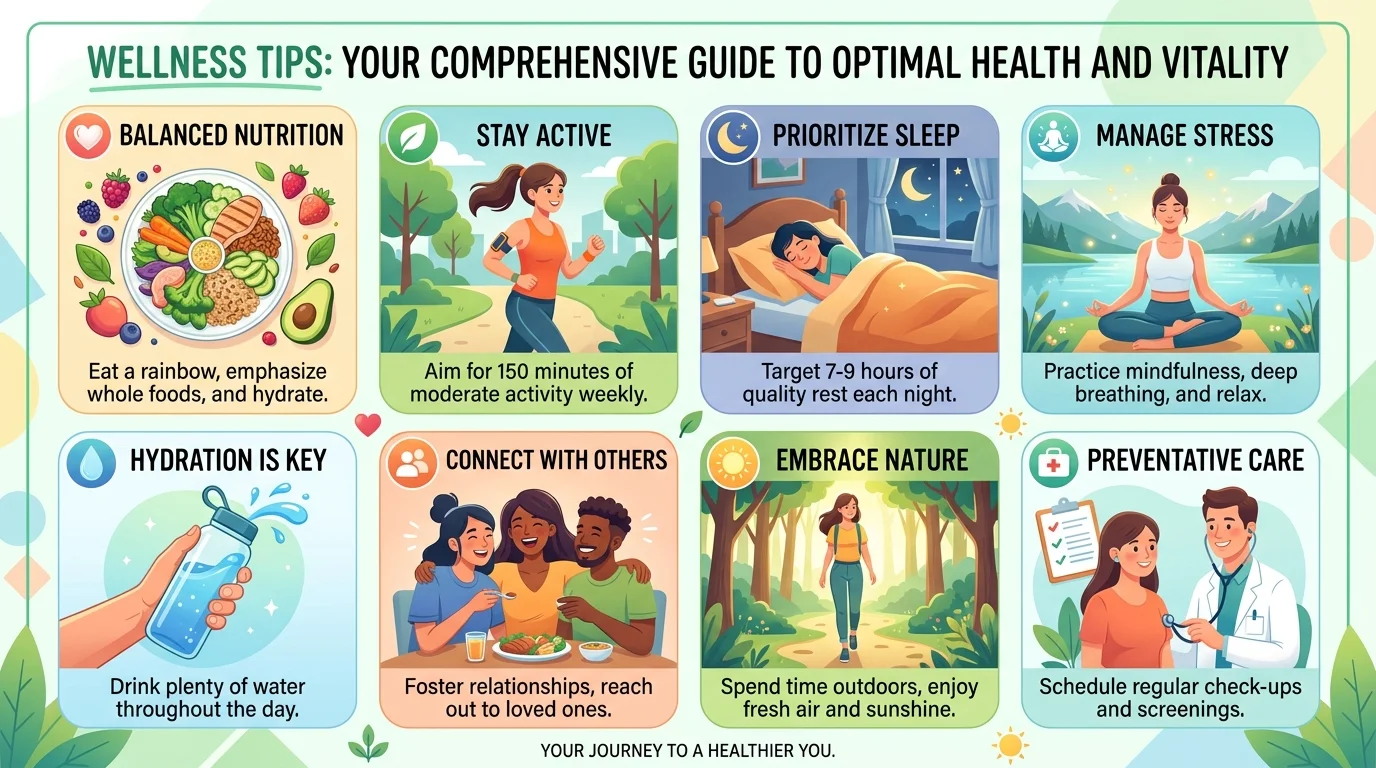
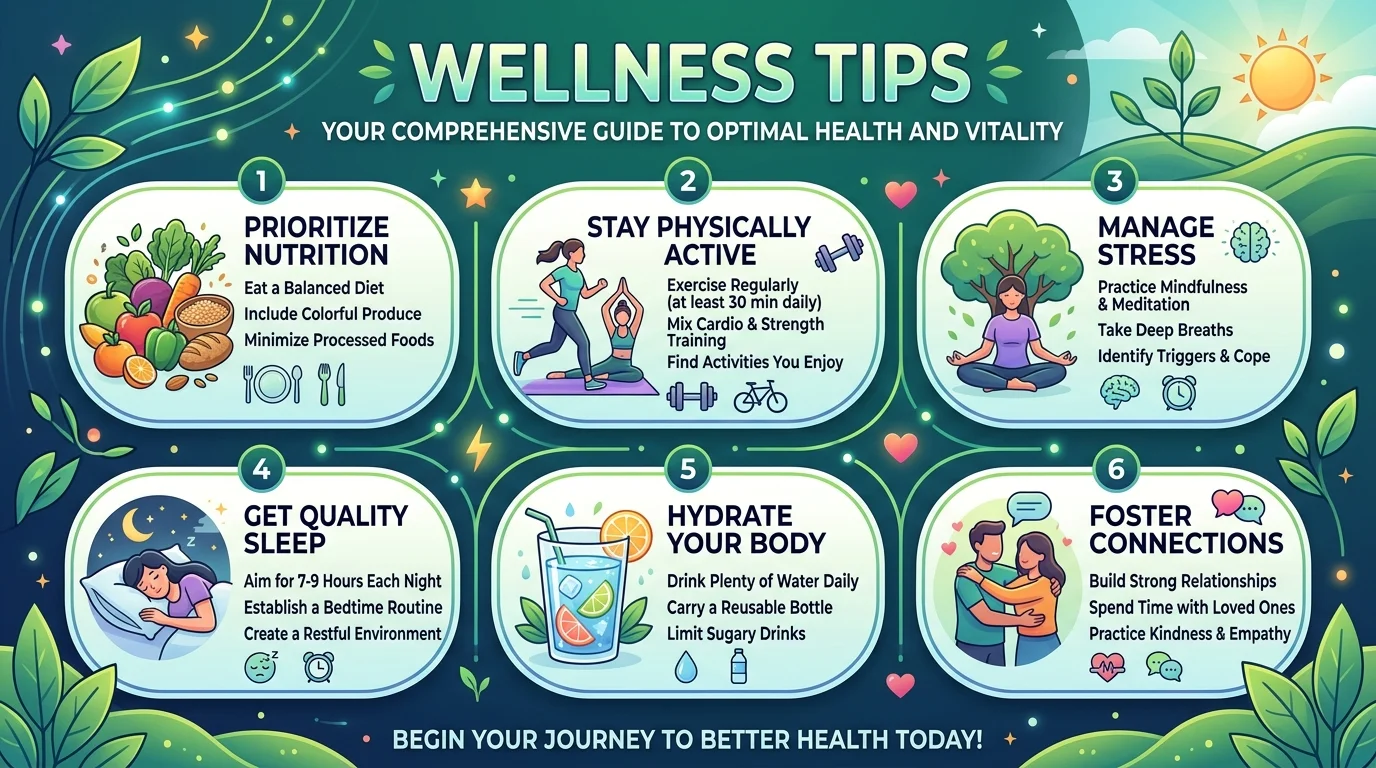
  • Wellness Tips: Your Comprehensive Guide to Optimal Health and Vitality

    Wellness Tips: Your Comprehensive Guide to Optimal Health and Vitality

    Introduction

    Wellness tips are practical, actionable strategies designed to improve physical health, mental clarity, emotional balance, and spiritual fulfillment. Unlike quick-fix solutions or fad diets, genuine wellness tips address the whole person and promote sustainable lifestyle changes that yield lasting benefits. In today’s fast-paced, high-stress world, incorporating effective wellness practices into daily life has become essential for preventing chronic disease, managing stress, and achieving genuine happiness.

    This comprehensive guide brings together evidence-based wellness tips across multiple dimensions of health, offering you a complete roadmap to feeling better, functioning optimally, and living more fully. From morning routines to sleep optimization, nutrition strategies to stress management, these wellness tips are designed to be practical, accessible, and immediately implementable.

    Table of Contents

    SectionTopic
    1What Are Wellness Tips and Why They Matter
    2Morning Wellness Tips for a Powerful Start
    3Nutrition and Hydration Wellness Tips
    4Physical Activity and Movement Tips
    5Mental and Emotional Wellness Tips
    6Sleep Optimization Tips
    7Social and Environmental Wellness Tips
    8Weekly Wellness Tips Action Plan
    9Frequently Asked Questions (FAQs)
    10Conclusion

    1. What Are Wellness Tips and Why They Matter

    Wellness tips are small, manageable actions that collectively create significant improvements in overall health and quality of life. The concept of wellness extends beyond mere absence of disease to encompass active pursuit of health, happiness, and purpose. The global wellness industry is valued at over 4.5 trillion dollars, yet many people remain confused about which practices truly deliver results.

    True wellness rests on six interconnected dimensions: physical wellness (nutrition, exercise, sleep, medical care), emotional wellness (stress management, resilience, self-awareness), intellectual wellness (continuous learning, creativity, critical thinking), social wellness (relationships, community, belonging), spiritual wellness (purpose, values, mindfulness), and environmental wellness (safe spaces, nature connection, sustainable living).

    The most effective wellness tips share common characteristics: they are evidence-based rather than trendy, sustainable rather than extreme, personalized rather than one-size-fits-all, proactive rather than reactive, and integrated rather than isolated. The following wellness tips have been selected based on scientific research, expert consensus, and proven real-world results.

    2. Morning Wellness Tips for a Powerful Start

    How you begin your day sets the tone for everything that follows. These morning wellness tips optimize your circadian rhythm, energy levels, and mental state.

    Wake Up at a Consistent Time – Rising at the same hour daily, including weekends, synchronizes your body’s internal clock. This consistency improves sleep quality, hormone regulation, and daytime alertness. Aim for 7-9 hours of sleep and schedule your wake time accordingly.

    Expose Yourself to Morning Light – Within 30 minutes of waking, go outside or sit by a bright window. Morning sunlight suppresses melatonin, increases cortisol (healthy morning spike), and sets your circadian rhythm. Even 5-10 minutes on cloudy days provides benefits. This is one of the most powerful wellness tips for sleep and mood.

    Drink Water Immediately – After 6-9 hours without fluid, your body is mildly dehydrated. Drink 16-32 ounces of water before consuming anything else. Add lemon for vitamin C and digestive enzymes. Proper hydration upon waking boosts metabolism, flushes toxins, and relieves morning fatigue.

    Delay Caffeine by 60-90 Minutes – Drinking coffee immediately upon waking interferes with adenosine clearance and cortisol’s natural morning peak. Waiting 60-90 minutes allows your body to wake naturally and prevents afternoon energy crashes. If you must have something warm, try hot water with lemon or herbal tea.

    Move Your Body Gently – Morning movement does not require intense exercise. Five to ten minutes of stretching, yoga sun salutations, walking, or joint rotations wake up your nervous system, increase blood flow, and reduce morning stiffness. Save high-intensity workouts for later in the day when body temperature peaks.

    Practice Mindfulness Before Screens – Check your phone only after completing at least one mindful activity. Breathe deeply for 60 seconds, write in a gratitude journal, meditate for 5 minutes, or simply sit with your thoughts. Starting your day reactive to emails and social media elevates stress hormones before you have any real problems.

    Eat Breakfast Within 2 Hours – Breaking your overnight fast provides stable blood sugar and energy. Prioritize protein (eggs, Greek yogurt, protein shake), healthy fats (avocado, nuts, seeds), and fiber (berries, oats, vegetables). Avoid sugary cereals, pastries, and flavored yogurts that cause energy crashes by mid-morning.

    3. Nutrition and Hydration Wellness Tips

    Proper nutrition and hydration form the biochemical foundation of wellness. These tips help you fuel your body optimally without complicated diets or deprivation.

    Prioritize Protein at Every Meal – Protein provides amino acids for tissue repair, enzyme production, immune function, and satiety. Aim for 20-40 grams of protein per meal. Excellent sources include eggs, poultry, fish, lean meat, Greek yogurt, cottage cheese, lentils, chickpeas, tofu, tempeh, and protein powder. Adequate protein intake reduces cravings for processed carbohydrates and supports muscle maintenance during weight loss.

    Eat 5-9 Servings of Colorful Vegetables Daily – Different colored vegetables provide different phytonutrients. Green vegetables (spinach, broccoli, kale) offer chlorophyll, magnesium, and vitamin K. Red vegetables (tomatoes, red peppers) provide lycopene and anthocyanins. Orange and yellow vegetables (carrots, squash, sweet potatoes) deliver beta-carotene. Cruciferous vegetables (cabbage, cauliflower, Brussels sprouts) contain sulforaphane, a powerful detoxification compound.

    Include Fermented Foods for Gut Health – Your gut microbiome influences digestion, immunity, mood, and even weight. Fermented foods provide beneficial bacteria that support microbial diversity. Add sauerkraut, kimchi, plain unsweetened kefir, plain yogurt, kombucha (low sugar), miso, or tempeh to your daily diet. Start with small amounts to allow your digestive system to adjust.

    Hydrate Strategically Throughout the Day – Calculate your baseline water needs: body weight in pounds divided by two equals ounces of water per day. Increase this by 12-16 ounces for every 30 minutes of exercise. Drink water consistently rather than large volumes at once. Signs of adequate hydration include pale yellow urine, infrequent thirst, and regular urination every 2-4 hours.

    Time Your Carbohydrates Based on Activity – Carbohydrates are not inherently bad, but timing matters. On high-activity days, eat carbohydrates around your workouts for energy and recovery. On low-activity days, prioritize vegetables and reduce grains, fruits, and starchy vegetables. This approach maintains insulin sensitivity and prevents fat storage.

    Practice Mindful Eating – Slow down during meals. Chew each bite thoroughly. Put down your utensil between bites. Eat without screens or reading material. Mindful eating improves digestion, increases satisfaction with smaller portions, and helps you recognize genuine hunger and fullness cues. This simple wellness tip reduces overeating without willpower.

    Plan and Prepare Meals Ahead – Set aside 1-2 hours weekly for meal preparation. Wash and chop vegetables, cook grains, hard-boil eggs, portion snacks, and prepare dressings. Having healthy options readily available eliminates the decision fatigue that leads to convenient, processed food choices.

    4. Physical Activity and Movement Tips

    Exercise is medicine, but movement comes in many forms. These wellness tips help you stay active without burning out or injuring yourself.

    Incorporate Movement Throughout the Day – Sitting for prolonged periods is metabolically harmful even if you exercise daily. Stand up and move for 2-3 minutes every 30-60 minutes. Walk to a coworker’s desk instead of emailing. Take phone calls standing or walking. Use a water glass that requires refilling frequently. These micro-movements add significant metabolic benefit over time.

    Follow the Weekly Exercise Formula – Optimal health requires variety. Each week aim for 150 minutes of moderate aerobic activity (brisk walking, cycling, swimming) OR 75 minutes of vigorous aerobic activity (running, HIIT, fast cycling). Include 2-3 strength training sessions targeting all major muscle groups. Add 2-3 flexibility or mobility sessions (yoga, stretching, foam rolling). Perform balance exercises 2-3 times weekly, especially if over 50.

    Find Enjoyable Forms of Movement – The best exercise is the one you will actually do consistently. Experiment with different activities until you find what you genuinely enjoy. Dancing, hiking, martial arts, rock climbing, rowing, pickleball, rebounding, and recreational sports all count. Exercise should not feel like punishment.

    Walk After Meals – A 10-15 minute walk immediately following meals significantly reduces blood sugar spikes. This is particularly beneficial after carbohydrate-heavy meals. Post-meal walking improves insulin sensitivity, aids digestion, and provides an opportunity for mindfulness or connection with others.

    Strength Train for Longevity – Muscle mass naturally declines after age 30, leading to metabolic slowdown, increased fall risk, and reduced independence. Strength training preserves muscle, increases bone density, improves insulin sensitivity, and boosts resting metabolic rate. Focus on compound movements (squats, deadlifts, presses, rows, pull-ups) that work multiple joints and muscle groups simultaneously.

    Prioritize Recovery – Exercise breaks down tissue; recovery builds it back stronger. Allow 48 hours between intense strength sessions targeting the same muscle groups. Get adequate sleep, especially after hard workouts. Use active recovery (light walking, stretching) on rest days. Listen to your body and distinguish between productive discomfort and pain signaling injury.

    5. Mental and Emotional Wellness Tips

    Mental wellness is equally important as physical health. These tips help you manage stress, regulate emotions, and cultivate resilience.

    Practice Daily Stress Inoculation – Brief, intentional stress exposure builds resilience for life’s inevitable challenges. Cold exposure (ending showers with 30-60 seconds of cold water) increases dopamine and norepinephrine. Breath holds (after exhale, hold for progressively longer durations) improve CO2 tolerance and nervous system regulation. High-intensity intervals train your physiological stress response.

    Implement the 5-4-3-2-1 Grounding Technique – When anxiety strikes, use your senses to return to the present moment. Identify 5 things you can see, 4 things you can physically feel, 3 things you can hear, 2 things you can smell, and 1 thing you can taste. This technique interrupts the stress response and reconnects you with your immediate environment.

    Maintain a Gratitude Practice – Daily gratitude expression rewires your brain to notice positive experiences. Each evening, write down three specific things you appreciated that day. They need not be extraordinary. A warm cup of tea, a kind text message, a beautiful sunset, a completed task all count. After 21 days, this practice measurably increases happiness and life satisfaction.

    Set Healthy Boundaries – Protect your time, energy, and emotional resources. Learn to say no to requests that drain you without adequate reciprocity. Designate specific times for email and social media rather than being constantly available. Communicate your boundaries clearly, calmly, and without over-explaining or apologizing.

    Challenge Negative Thought Patterns – Cognitive distortions are automatic, irrational thoughts that fuel anxiety and depression. Common patterns include all-or-nothing thinking (I never do anything right), catastrophizing (this will be a disaster), mind-reading (they think I am stupid), and should statements (I should be better). When you notice these patterns, pause and ask for evidence. What would you tell a friend who thought this way?

    Take Tech Breaks – Digital devices fragment attention and elevate baseline stress. Designate tech-free zones (bedroom, dining table, bathroom) and tech-free times (first hour after waking, last hour before bed, during meals). Turn off all non-essential notifications. Remove social media apps from your phone home screen. Use grayscale mode to reduce phone appeal.

    6. Sleep Optimization Tips

    Quality sleep is the most underestimated wellness tool. These tips help you achieve deep, restorative rest.

    Maintain a Consistent Sleep Schedule – Going to bed and waking at the same times daily anchors your circadian rhythm. Even on weekends, stay within one hour of your weekday schedule. Consistency improves both sleep quality and daytime function more than total sleep hours alone.

    Create a Wind-Down Routine – The hour before bed should be predictable and relaxing. Dim lights, lower room temperature, and reduce noise. Stop work and stressful conversations. Avoid screens (blue light suppresses melatonin). Engage in calming activities: reading physical books, listening to calm music or podcasts, gentle stretching, warm baths, meditation, or conversation with loved ones.

    Optimize Your Sleep Environment – Your bedroom should be cool (65-68 degrees Fahrenheit or 18-20 degrees Celsius), dark (blackout curtains or eye mask, cover all electronics lights), and quiet (earplugs or white noise machine if needed). Your mattress and pillows should support comfortable sleeping positions. Remove televisions, computers, and work materials from the bedroom.

    Avoid Sleep Disruptors – Caffeine has a 5-6 hour half-life, meaning significant remains in your system 10-12 hours later. Stop caffeine consumption by 2:00 PM. Alcohol fragments sleep architecture, reducing REM and deep sleep despite making you feel sleepy initially. Avoid alcohol within 3-4 hours of bedtime. Large meals, intense exercise, and heated arguments elevate body temperature and stress hormones. Finish eating 2-3 hours before bed and complete intense exercise earlier.

    Use Morning Light for Evening Sleep – Morning light exposure sets your circadian clock for the following night. Get 15-30 minutes of natural light within 30 minutes of waking. If you wake before sunrise, use bright artificial light then get outside as soon as possible. This practice signals your body to release melatonin approximately 14-16 hours later.

    Manage Racing Thoughts – If your mind races when you lie down, keep a notepad by your bed. Write down any worries, to-do items, or ideas that arise. This externalization relieves your brain of the burden of remembering. For persistent rumination, try cognitive shuffling: think of a random word, then mentally list words starting with each letter of that word. This random generation occupies your brain and mimics the thought patterns of sleep onset.

    7. Social and Environmental Wellness Tips

    Wellness extends beyond your individual body and mind. Your relationships and surroundings profoundly affect your health.

    Cultivate Meaningful Connections – Loneliness is as harmful to health as smoking 15 cigarettes daily. Nurture relationships that feel reciprocal, supportive, and authentic. Schedule regular time with friends and family. Join groups aligned with your interests (book clubs, hiking groups, volunteer organizations, religious or spiritual communities). Reach out first rather than waiting for others to contact you.

    Practice Active Listening – Most people listen to reply, not to understand. Active listening involves maintaining eye contact, not interrupting, reflecting back what you heard (so you are saying that…), asking clarifying questions, and validating feelings even when you disagree. This skill deepens relationships and reduces misunderstandings.

    Declutter Your Physical Space – Clutter increases cortisol levels and reduces focus. Dedicate 15 minutes daily to decluttering one area. The goal is not perfection but reduction of visual noise. Keep surfaces clear, organize items out of sight, and regularly donate unused possessions. A tidy space calms the nervous system and improves productivity.

    Bring Nature Indoors – Indoor plants reduce stress, improve air quality, and increase productivity. Low-maintenance options include snake plants, pothos, ZZ plants, spider plants, and peace lilies. Position plants where you see them regularly from your workspace and sleeping area. Natural elements like wood, stone, bamboo, and water features also provide biophilic benefits.

    Spend Time in Green Spaces – Nature exposure reduces blood pressure, lowers cortisol, improves mood, and boosts immune function. Aim for 120 minutes weekly in natural settings, which can be accumulated in short sessions. Even viewing nature through a window or looking at photographs of nature provides measurable benefits, though actual immersion is superior.

    8. Weekly Wellness Tips Action Plan

    DayMorning FocusDaytime FocusEvening Focus
    MondayMorning light exposure15-minute walk after lunchPrepare healthy snacks for week
    TuesdayDelay caffeine 90 minutesDrink water before each mealTech-free dinner with family
    Wednesday5-minute meditationStrength training sessionWrite gratitude list
    ThursdayStretch for 10 minutesWalk during phone callsTake warm bath before bed
    FridayEat protein-rich breakfastDeep breathing at your deskPlan nature time for weekend
    SaturdaySleep in only 1 hour extra120 minutes outdoor activityNo screens after 9:00 PM
    SundayReview past week successesMeal prep for upcoming weekSet three intentions for new week

    9. Frequently Asked Questions (FAQs)

    Q1: How many wellness tips should I implement at once?
    A: Start with 2-3 tips and practice them consistently for 4-6 weeks before adding more. Attempting too many changes simultaneously leads to overwhelm and abandonment. Master the basics of sleep, hydration, and morning light before addressing nutrition or exercise.

    Q2: How long until I see results from following wellness tips?
    A: Immediate results (better energy, mood, sleep) often appear within 3-7 days. Intermediate results (weight changes, fitness improvements, lab markers) typically take 4-12 weeks. Long-term disease prevention and longevity benefits accumulate over years of consistent practice.

    Q3: Can I follow wellness tips while working a demanding job?
    A: Yes. Many wellness tips are designed specifically for busy professionals. Morning light takes 5 minutes. Walking after meals adds 10 minutes. Meal prep on weekends saves time during week. Short movement breaks improve productivity. The key is integration, not addition.

    Q4: Do wellness tips work for people with chronic conditions?
    A: Most wellness tips benefit chronic conditions but should complement, not replace, medical treatment. Always consult your healthcare provider before significantly changing diet, exercise, or sleep patterns. Some conditions require modified approaches.

    Q5: What is the single most impactful wellness tip?
    A: Sleep optimization consistently ranks as the most impactful. Poor sleep undermines every other wellness effort. Prioritizing 7-9 hours of quality sleep improves immune function, hormone regulation, cognitive performance, emotional stability, and metabolic health. Start with sleep before adding other changes.

    Q6: How do I stay consistent with wellness tips when traveling?
    A: Maintain core practices that travel easily: morning light exposure, water intake, 10-minute walks, and sleep schedule as much as time zones allow. Simplify during travel rather than abandoning completely. Pack healthy snacks, a water bottle, and comfortable walking shoes.

    Q7: Are wellness tips different for men and women?
    A: Some differences exist due to hormonal cycles, body composition, and health risks. Women may need more iron, calcium, and specific support during menstrual cycles, pregnancy, and menopause. Men may need more protein and different cardiovascular considerations. However, foundational wellness tips apply universally.

    Q8: What is the role of supplements in wellness?
    A: Supplements supplement, not replace, whole foods and healthy habits. Most people benefit from vitamin D3 (if limited sun exposure), omega-3 fatty acids (if limited fatty fish intake), and magnesium (if poor sleep or muscle tension). Test, don’t guess. Work with a healthcare provider to identify genuine deficiencies.

    Q9: How do wellness tips address mental health conditions?
    A: Wellness tips support mental health but are not substitutes for professional treatment. Depression, anxiety disorders, bipolar disorder, and other conditions require evidence-based interventions including therapy and medication when indicated. Use wellness tips alongside, not instead of, mental healthcare.

    Q10: Can wellness tips prevent aging?
    A: Wellness tips cannot stop biological aging but can slow its effects and improve healthspan (years of healthy life). Exercise, nutrition, sleep, stress management, and social connection preserve physical function, cognitive ability, and quality of life well into advanced age. The goal is not immortality but vitality.

    10. Conclusion

    Wellness is not a destination but an ongoing journey of small, consistent choices that compound over time. The wellness tips presented in this guide offer a comprehensive toolkit for improving every dimension of your health. You do not need to implement all of them at once. You do not need to be perfect. You simply need to start.

    Choose one wellness tip from this guide that resonates with you. Practice it consistently for one week. Notice how it makes you feel. Then add another. This gradual, sustainable approach produces lasting transformation without burnout or deprivation.

    Remember that wellness is deeply personal. What works for someone else may not work for you. Experiment, observe, and adjust. Listen to your body’s signals. Honor your individual needs and circumstances. The most effective wellness tips are the ones you actually follow.

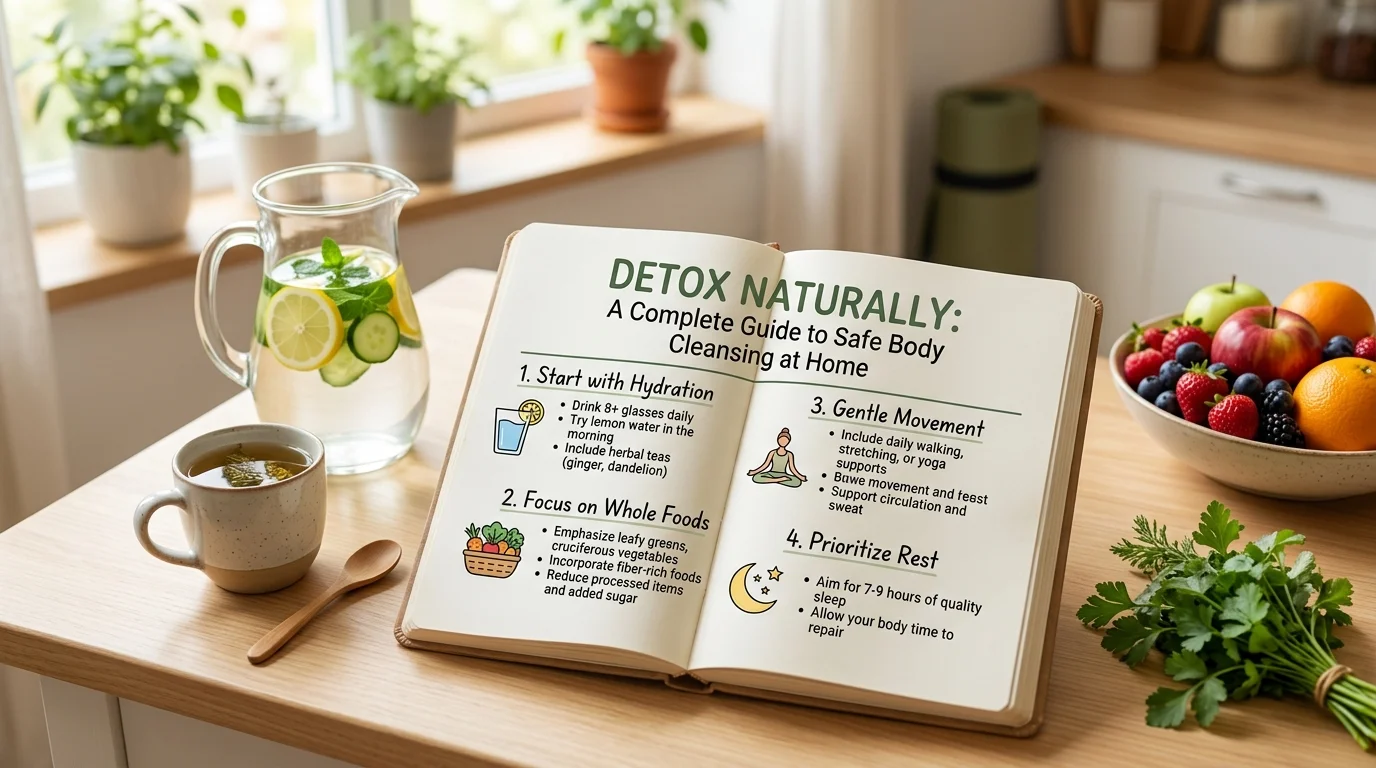
  • Detox Naturally: A Complete Guide to Safe Body Cleansing at Home

    Detox Naturally: A Complete Guide to Safe Body Cleansing at Home

    Table: 7-Day Natural Detox Plan

    DayMorning Ritual (7 AM)Breakfast (9 AM)Lunch (1 PM)Evening Drink (4 PM)Dinner (7 PM)
    MondayWarm lemon waterOatmeal with berriesQuinoa salad with greensGreen teaSteamed broccoli + tofu
    TuesdayCucumber mint waterSmoothie (spinach, apple, ginger)Lentil soup + side saladDandelion root teaZucchini noodles + pesto
    WednesdayTurmeric ginger teaChia pudding (no sugar)Brown rice + roasted vegetablesCoconut waterBaked salmon + asparagus
    ThursdayApple cider vinegar waterBuckwheat porridgeChickpea wrap + hummusPeppermint teaStir-fry bok choy + mushrooms
    FridayWarm water + limeBerry + flaxseed smoothieMiso soup + seaweed saladHibiscus teaStuffed bell peppers (rice + veggies)
    SaturdayParsley waterGluten-free toast + avocadoBlack bean bowl + salsaLemon ginger teaGrilled chicken + cauliflower rice
    SundayCelery juiceCoconut yogurt + walnutsZucchini + carrot noodlesFennel teaVegetable stew + turmeric

    Introduction

    The modern environment constantly exposes the human body to unwanted substances. Processed foods, polluted air, and chemical-laden products lead many people to seek ways to reset their internal systems. The phrase “detox naturally” has become a popular search term for individuals looking for safe, home-based methods to support their body’s innate cleansing abilities. Unlike extreme juice fasts or commercial detox kits that promise unrealistic results, a natural detox focuses on nutrition, hydration, rest, and elimination of toxins through the body’s own organs. This article provides a comprehensive, evidence-informed guide to detoxing naturally without starvation or expensive supplements.

    What Does It Mean to Detox Naturally

    The human body is already equipped with a sophisticated detoxification system. The liver filters blood, the kidneys remove waste, the intestines eliminate solid matter, the skin sweats out impurities, and the lungs expel carbon dioxide. To detox naturally means to support these existing organs, not replace them. A natural detox does not involve enemas, laxatives, or extreme calorie restriction. Instead, it emphasizes whole foods, adequate water intake, quality sleep, and avoidance of new toxins. The goal is to reduce the toxic burden on the body so that its natural processes can work more efficiently. When someone decides to detox naturally, they are choosing to remove processed sugars, alcohol, caffeine, artificial additives, and inflammatory oils from their diet while increasing intake of fiber, antioxidants, and phytonutrients.

    Benefits of a Natural Detox

    A properly executed natural detox can yield multiple health improvements. Increased energy is often the first benefit people notice, as the body no longer expends excessive resources on digesting heavy processed foods. Clearer skin results from reduced inflammation and improved elimination pathways. Better digestion occurs due to higher fiber intake, which supports regular bowel movements. Weight loss may happen naturally without counting calories, as whole foods are more satiating. Mental clarity improves when blood sugar stabilizes and inflammatory compounds decrease. Additionally, a natural detox can reset taste buds, making healthy foods more appealing and reducing cravings for sugar and salt. Liver enzymes may show improvement, and many people report reduced joint pain and headaches after completing a natural detox protocol.

    How to Detox Naturally: Step by Step

    Step 1: Hydrate with Purpose
    Water is the most critical component of any natural detox. Aim for 8 to 10 glasses of filtered water per day. Add natural enhancers like lemon slices, cucumber rounds, fresh mint, or a teaspoon of raw apple cider vinegar. Herbal teas such as dandelion root, milk thistle, ginger, and green tea provide additional antioxidants and support liver function.

    Step 2: Eliminate Toxins First
    Before adding detox foods, remove common stressors. Stop all processed foods, refined sugar, artificial sweeteners, alcohol, and tobacco. Reduce or eliminate caffeine gradually to avoid withdrawal headaches. Avoid non-organic produce known to carry high pesticide residues, commonly referred to as the Dirty Dozen. Switch to natural personal care products to reduce skin absorption of chemicals.

    Step 3: Eat Detox-Supporting Foods
    Certain foods directly support the liver and kidneys. Cruciferous vegetables like broccoli, cauliflower, Brussels sprouts, and kale boost liver detox enzymes. Leafy greens such as spinach, arugula, and Swiss chard provide chlorophyll, which helps neutralize toxins. Garlic and onions supply sulfur compounds essential for glutathione production. Beets and artichokes support bile flow. Berries, nuts, seeds, and green tea offer polyphenols that reduce oxidative stress.

    Step 4: Support Elimination Channels
    The body eliminates toxins through four primary routes. For bowel movements, consume 25 to 35 grams of fiber daily from flaxseeds, chia seeds, legumes, and vegetables. For urination, maintain steady hydration. For sweating, engage in moderate exercise such as brisk walking or sauna use for 20 minutes daily. For breathing, practice deep diaphragmatic breathing to expel carbon dioxide and stimulate lymphatic flow.

    Step 5: Prioritize Sleep and Stress Management
    Sleep is when the brain activates its glymphatic system to clear metabolic waste. Seven to nine hours of quality sleep per night is non-negotiable for a successful natural detox. Chronic stress elevates cortisol, which impairs liver detoxification pathways. Incorporate meditation, journaling, or nature walks to lower stress hormones.

    Foods to Eat During a Natural Detox

    Focus on organic produce when possible to minimize additional toxin exposure. The following foods are particularly beneficial:

    Lemons and limes – Provide vitamin C and citrate to support liver enzymes.
    Ginger – Reduces inflammation and stimulates digestion.
    Turmeric – Contains curcumin which boosts glutathione production.
    Green leafy vegetables – Rich in chlorophyll and fiber.
    Beets – Support bile production and blood purification.
    Cruciferous vegetables – Activate phase II liver detoxification.
    Garlic and onions – Provide allicin and sulfur for heavy metal elimination.
    Green tea – Supplies catechins that enhance liver function.
    Flaxseeds and chia seeds – Soluble fiber binds to toxins in the gut.
    Brown rice and quinoa – Gentle whole grains that provide B vitamins for energy metabolism.
    Walnuts – Source of arginine and glutathione.
    Artichokes – Increase bile flow from the liver.

    Foods to Avoid Completely During Detox

    Processed meats such as bacon, sausage, and deli meats contain nitrates and preservatives. Refined vegetable oils including soybean, canola, and corn oil are high in omega-6 fatty acids that promote inflammation. White flour products like bread, pasta, and pastries spike blood sugar. Added sugars in any form including honey, maple syrup, and agave should be minimized, though small amounts of fruit are acceptable. Dairy products can be mucous-forming for some individuals and are best eliminated during the initial detox phase. Alcohol is directly toxic to liver cells and must be avoided. Caffeine overworks the adrenal glands and can interfere with sleep quality.

    Common Mistakes in Natural Detox

    Many people attempt a natural detox but undermine their results through common errors. One mistake is extreme calorie restriction, which slows metabolism and causes nutrient deficiencies. Another error is relying on detox teas or supplements that contain laxatives, leading to electrolyte imbalances. Some individuals forget to increase fiber gradually, resulting in constipation or bloating. Failing to drink enough water while increasing fiber can worsen constipation. Detoxing while under high stress or with poor sleep reduces effectiveness. Lastly, returning immediately to old eating habits after a detox wastes the progress made, as the body becomes vulnerable to rebound cravings.

    How Long Should a Natural Detox Last

    The duration of a natural detox depends on individual goals and health status. A weekend detox of two days is sufficient for mild bloating or after a period of overeating. A one-week detox is appropriate for most people seeking general rejuvenation. A two-week detox allows deeper cellular cleansing but should only be attempted by healthy individuals. Anything beyond 14 days without medical supervision is not recommended, as prolonged restriction can lead to nutrient deficiencies. For chronic conditions, a sustainable whole-foods diet without processed items is better than repeated detox cycles. Most experts suggest performing a natural detox once per season or four times per year.

    Signs Your Detox Is Working

    Positive signs during a natural detox include increased energy after the first few days, clearer skin, reduced bloating, more regular bowel movements, improved mood, better concentration, and reduced joint stiffness. Some individuals may initially experience mild headaches, fatigue, or irritability as the body adjusts to the absence of sugar and caffeine. These symptoms typically resolve within 48 to 72 hours. If severe symptoms such as vomiting, diarrhea, or extreme weakness occur, stop the detox immediately and consult a healthcare provider. A well-designed natural detox should not cause significant discomfort.

    Who Should Not Detox Naturally

    Certain populations should avoid any form of detox. Pregnant or breastfeeding women require consistent nutrition and should not restrict calories or food groups. Individuals with diabetes must be cautious with fasting or juice cleanses due to blood sugar risks. People with eating disorders may find detox protocols triggering. Those with kidney disease cannot handle high mineral or potassium loads from certain detox foods. Patients on prescription medications should consult a doctor before making dietary changes, as detox foods like grapefruit or large amounts of greens can interfere with drug metabolism. Children and adolescents need full nutrition for growth and should not detox. Underweight individuals should also avoid detoxing.


    Frequently Asked Questions (FAQs)

    Q1: Can I detox naturally without buying expensive products?
    Yes, a natural detox requires only whole foods, water, and rest. No expensive teas, patches, or powders are necessary.

    Q2: How much water should I drink while detoxing naturally?
    Drink at least 2.5 to 3 liters of filtered water daily. Increase slightly if you exercise or live in a hot climate.

    Q3: Is it normal to feel worse during the first two days of a natural detox?
    Yes, mild headaches, fatigue, or irritability are common as the body withdraws from sugar and caffeine. These symptoms typically last 48 to 72 hours.

    Q4: Can I exercise while detoxing naturally?
    Yes, moderate exercise like walking, yoga, or light jogging supports lymphatic drainage and sweating. Avoid high-intensity workouts during the first three days.

    Q5: Will a natural detox help me lose weight permanently?
    A natural detox often leads to short-term weight loss from water and bowel contents. Long-term weight management requires sustained dietary changes.

    Q6: Can I drink coffee during a natural detox?
    Coffee is generally avoided because it stresses the liver and adrenal glands. Herbal teas or hot water with lemon are better alternatives.

    Q7: How often can I repeat a natural detox?
    A one-week natural detox can be done four times per year, ideally with the changing seasons. Daily healthy habits are more important than frequent detoxes.

    Q8: Are detox diets scientifically proven?
    The concept of supporting natural detoxification pathways is supported by nutrition science. However, extreme cleanses lack evidence. This guide focuses on evidence-based dietary support.

    Q9: What is the best drink to detox naturally?
    Warm lemon water in the morning is excellent for stimulating digestion and providing vitamin C. Dandelion root tea is also highly beneficial for liver support.

    Q10: Can children or teenagers detox naturally?
    No, children and teenagers should not follow any detox protocol. They need consistent calories and nutrients for growth and development.


    Conclusion

    Learning to detox naturally is not about chasing a quick fix or subjecting the body to harsh cleanses. It is about returning to the basics of human health: clean water, whole plant foods, regular movement, restorative sleep, and the elimination of processed chemicals. The body already possesses an extraordinary ability to cleanse itself. The role of a natural detox is simply to remove obstacles and provide optimal nutritional support. By following the step-by-step methods and the 7-day plan outlined above, anyone can safely experience the benefits of a natural detox. Remember that sustainable health is built on daily habits, not weekly extremes. Use this guide as a starting point, then transition into a balanced, whole-foods lifestyle for lasting wellness.

  • Clean Lifestyle: The Complete Guide to Natural, Toxin-Free Living

    Clean Lifestyle: The Complete Guide to Natural, Toxin-Free Living

    Introduction

    A clean lifestyle represents a conscious commitment to reducing exposure to synthetic chemicals, processed foods, and environmental toxins while embracing natural, whole-food nutrition, non-toxic personal care, and mindful living practices. Unlike restrictive diets or extreme detox programs, a clean lifestyle is a sustainable, holistic approach that prioritizes simplicity, purity, and wellness across all areas of daily life.

    In an age where the average person is exposed to over 80,000 synthetic chemicals through food, water, air, personal care products, and household items, adopting a clean lifestyle has become not just a wellness trend but a health necessity. This comprehensive guide will walk you through every aspect of clean living, providing actionable strategies to transform your environment, diet, and daily habits for optimal health.

    Table of Contents

    SectionTopic
    1What Is a Clean Lifestyle?
    2The Hidden Toxins in Modern Living
    3Clean Eating: Whole Foods Nutrition
    4Non-Toxic Personal Care and Beauty
    5Clean Home Environment
    6Clean Water and Air Strategies
    7Mindful Living and Stress Reduction
    8Creating Your Clean Lifestyle Action Plan
    9Frequently Asked Questions (FAQs)
    10Conclusion

    1. What Is a Clean Lifestyle?

    A clean lifestyle is a philosophy and practice of minimizing exposure to artificial, toxic, and unnecessary substances while maximizing intake of natural, nourishing, and beneficial elements. It encompasses five core domains: nutrition, personal care, home environment, mental wellness, and environmental engagement.

    The clean lifestyle is not about perfectionism or deprivation. Rather, it is about making informed choices that reduce your toxic burden and support your body’s natural detoxification systems. The guiding principle is simple: if you cannot pronounce an ingredient, recognize it as food, or find it in nature, reconsider whether it belongs in or on your body.

    Key pillars of a clean lifestyle include consuming whole, minimally processed foods; avoiding artificial additives, preservatives, and colorings; choosing personal care products without parabens, phthalates, and synthetic fragrances; using natural household cleaners; filtering drinking water; reducing plastic use; and cultivating mental clarity through mindfulness and nature connection.

    2. The Hidden Toxins in Modern Living

    Understanding what you are avoiding is the first step toward a clean lifestyle. The average adult carries over 700 industrial chemicals in their body, many linked to hormonal disruption, neurological issues, and chronic disease.

    In food, common toxins include artificial sweeteners (aspartame, sucralose, saccharin), preservatives (BHA, BHT, sodium benzoate, sodium nitrite), artificial colors (Red 40, Yellow 5, Blue 1), flavor enhancers (monosodium glutamate or MSG), and endocrine disruptors like bisphenols from can linings and thermal paper receipts.

    Personal care products contain parabens (methylparaben, propylparaben, butylparaben) used as preservatives but linked to breast cancer and reproductive toxicity. Phthalates, found in synthetic fragrances, nail polish, and hair sprays, disrupt male reproductive development. Sodium lauryl sulfate (SLS) and sodium laureth sulfate (SLES), common in shampoos and body washes, strip natural oils and may form carcinogenic byproducts.

    Household cleaning products release volatile organic compounds (VOCs) including formaldehyde, benzene, and chloroform. Quaternary ammonium compounds (“quats”) in fabric softeners and disinfectants contribute to respiratory issues and antimicrobial resistance. Perchloroethylene (PERC) in dry cleaning and spot removers is a neurotoxin and probable carcinogen.

    Home environments harbor flame retardants (polybrominated diphenyl ethers or PBDEs) in furniture and electronics, non-stick coatings (perfluorooctanoic acid or PFOA) in cookware, and bisphenol A (BPA) and BPS in plastics and receipts.

    3. Clean Eating: Whole Foods Nutrition

    Clean eating forms the foundation of a clean lifestyle. This approach prioritizes foods in their most natural state while eliminating or minimizing processed items.

    What to Eat Abundantly: Fresh organic vegetables (leafy greens, cruciferous vegetables, root vegetables) provide fiber, vitamins, minerals, and phytonutrients. Fresh fruits (berries, citrus, apples, pears) offer antioxidants and natural sweetness. Pasture-raised meats and poultry, wild-caught fish, organic eggs, legumes and beans, nuts and seeds, whole grains (quinoa, brown rice, oats, buckwheat), herbs and spices, healthy fats (avocado, coconut oil, olive oil, ghee), fermented foods (sauerkraut, kimchi, kombucha, kefir).

    What to Eliminate or Reduce: Refined sugar and artificial sweeteners, refined white flour and baked goods, industrial seed oils (canola, soybean, corn, sunflower, safflower), processed meats (deli meats, bacon, sausage, hot dogs), artificial colors and flavors, preservatives and chemical additives, hydrogenated and partially hydrogenated oils, high-fructose corn syrup, MSG and its hidden forms (hydrolyzed protein, autolyzed yeast, calcium caseinate).

    Practical Clean Eating Strategies: Read every ingredient label. If you cannot identify or pronounce an ingredient, put the product back. Cook at home using whole ingredients. Batch cook on weekends for busy weekdays. Shop the perimeter of grocery stores where fresh produce, meats, and dairy live. Visit farmers markets for seasonal, local produce. Grow a small vegetable garden or windowsill herbs. Drink primarily water, herbal tea, and occasionally organic coffee. Eliminate sugary drinks, diet sodas, and commercial fruit juices. Soak and rinse beans, grains, and nuts to reduce antinutrients. Choose organic for the “Dirty Dozen” (strawberries, spinach, kale, nectarines, apples, grapes, peaches, cherries, pears, tomatoes, celery, potatoes).

    4. Non-Toxic Personal Care and Beauty

    Your skin absorbs up to 60% of what you apply to it, directly entering your bloodstream without liver filtration. Transitioning to clean personal care products dramatically reduces your toxic burden.

    Clean Swaps for Common Products:

    Conventional ProductToxic IngredientsClean Alternative
    DeodorantAluminum, parabens, triclosanBaking soda and coconut oil paste, magnesium spray, crystal salt deodorant
    ShampooSLS, SLES, parabens, phthalatesCastile soap rinse, baking soda wash, apple cider vinegar conditioner
    LotionMineral oil, parabens, synthetic fragranceShea butter, coconut oil, jojoba oil, homemade balms
    ToothpasteFluoride, triclosan, SLS, artificial sweetenersBaking soda, coconut oil pulling, charcoal powder, natural toothpaste tablets
    MakeupLead, phthalates, parabens, talcMineral makeup brands (clean formulations from RMS Beauty, Ilia, W3LL PEOPLE)
    SunscreenOxybenzone, octinoxate, homosalateZinc oxide or titanium dioxide mineral sunscreens
    SoapTriclosan, synthetic fragrances, dyesCastile soap, natural bar soaps, goats milk soap
    Nail PolishFormaldehyde, toluene, dibutyl phthalate5-free, 7-free, or 10-free polish formulas

    DIY Personal Care Recipes: For face wash, mix honey with baking soda. For body scrub, combine coconut oil with coffee grounds or sea salt. For hair rinse after shampooing, dilute apple cider vinegar 1:4 with water. For lip balm, melt beeswax with coconut oil and a drop of peppermint essential oil. For body oil, use jojoba oil with lavender essential oil.

    Reading Cosmetic Labels: Avoid anything listing “fragrance” or “parfum” (trade secret loophole allowing hundreds of undisclosed chemicals). Look for USDA Organic or COSMOS certification. Seek brands committed to the Environmental Working Group’s Skin Deep database verification.

    5. Clean Home Environment

    Your home should be a sanctuary from environmental toxins, not a source of them. Conventional cleaning products release VOCs that persist indoors at levels 2-5 times higher than outdoors.

    DIY Natural Cleaning Solutions:

    All-purpose cleaner: Mix equal parts white vinegar and water in a glass spray bottle. Add 10-20 drops of tea tree, lemon, or lavender essential oil.

    Glass cleaner: Combine 2 cups water, 2 tablespoons white vinegar, and 4 drops lemon essential oil.

    Scouring powder: Sprinkle baking soda directly on surfaces, scrub with damp cloth.

    Disinfectant spray: Mix 2 cups water with 2 tablespoons hydrogen peroxide (store in dark bottle) or use 70% alcohol.

    Drain cleaner: Pour 1/2 cup baking soda followed by 1/2 cup vinegar, wait 15 minutes, flush with boiling water.

    Air freshener: Simmer cinnamon sticks, citrus peels, and cloves in water on stove. Open windows daily for 10-15 minutes even in winter.

    Laundry detergent: Grate 1 bar castile soap, mix with 1 cup washing soda and 1 cup borax, use 2 tablespoons per load. Add 1/2 cup white vinegar to rinse cycle as fabric softener.

    Reducing Dust and VOCs: Remove shoes at the door. Vacuum weekly with HEPA filter. Use doormats inside and outside every entrance. Choose solid wood furniture over pressed wood (contains formaldehyde-reducing glues). Avoid vinyl flooring and synthetic carpets. Purchase used furniture that has already off-gassed. Open windows regularly. Use houseplants proven to remove VOCs (spider plant, snake plant, peace lily, English ivy). Avoid air freshener plug-ins, candles, and sprays.

    6. Clean Water and Air Strategies

    Clean water and air are non-negotiable foundations of a clean lifestyle.

    Water Filtration: Tap water commonly contains chlorine, chloramine, fluoride, lead, copper, pesticides, pharmaceutical residues, and microplastics. The Environmental Protection Agency allows over 90 contaminants in public water. Best filtration methods include reverse osmosis (removes nearly everything but wastes water and removes beneficial minerals), activated carbon block (removes chlorine, VOCs, lead, some pharmaceuticals, retains minerals), and solid carbon block (most effective for contaminant reduction while preserving minerals). For showers, install a vitamin C or carbon filter to remove chlorine and chloramine (reduces skin and respiratory absorption of these chemicals). Avoid plastic bottled water (microplastic contamination and BPA/BPS from bottle and cap).

    Air Purification: Indoor air is often more polluted than outdoor air. Best strategies include houseplants (Boston fern removes formaldehyde, peace lily removes ammonia and benzene, areca palm is excellent overall purifier), HEPA air purifiers (essential for bedrooms and living areas, sized appropriately for room square footage), opening windows for cross-ventilation daily, maintaining humidity between 30-50% to prevent mold, using beeswax or soy candles instead of paraffin, avoiding synthetic fragrances and aerosols, cleaning HVAC filters monthly, and adding Himalayan salt lamps (minimal actual purification but calming ambiance).

    7. Mindful Living and Stress Reduction

    A clean lifestyle extends beyond physical toxins to include mental and emotional purity. Chronic stress and digital overload create internal toxicity that undermines physical health.

    Digital Cleanse Practices: Designate tech-free zones (bedroom, dining table). Turn off notifications except for calls and messages from priority contacts. Schedule daily “analog hours” without screens. Remove social media apps from your phone home screen. Use grayscale mode to reduce phone appeal. Read physical books. Write with pen on paper. Spend time outdoors without devices.

    Nature Connection: Forest bathing (shinrin-yoku) involves slow, sensory immersion in nature, proven to reduce cortisol, lower blood pressure, and boost immune function. Aim for 120 minutes weekly in nature, which can be broken into smaller increments. Walk barefoot on grass, soil, or sand (grounding or earthing) to absorb electrons from the Earth, which reduces inflammation and improves sleep.

    Stress Management Tools: Morning sunlight exposure within 30 minutes of waking regulates circadian rhythm. Diaphragmatic breathing (5 seconds inhale, 5 seconds hold, 5 seconds exhale) activates parasympathetic nervous system. Meditation for 10-20 minutes daily reduces amygdala reactivity. Gratitude journaling (writing three things you appreciate each day) improves mood and sleep. Regular physical movement that you enjoy (walking, yoga, dancing, strength training). Prioritize 7-9 hours of sleep in complete darkness.

    8. Creating Your Clean Lifestyle Action Plan

    Transitioning to a clean lifestyle does not happen overnight. Attempting to change everything simultaneously leads to overwhelm and abandonment. Follow this phased approach.

    Month One: Foundation – Switch to glass or stainless steel water bottles. Replace one conventional personal care product (deodorant or toothpaste). Eat one completely clean meal per day. Start reading ingredient labels. Open windows for 10 minutes daily.

    Month Two: Kitchen and Food – Replace plastic food storage with glass containers. Eliminate sugary drinks. Transition to clean breakfast (oats with berries, eggs with vegetables). Switch to natural dish soap and laundry detergent. Add one green vegetable to each dinner.

    Month Three: Home and Body – Make your first DIY all-purpose cleaner. Replace conventional shampoo and conditioner with clean alternatives. Eliminate one processed snack. Add fermented foods (sauerkraut or kimchi) to your diet. Start a small herb garden.

    Month Four: Deep Clean – Replace conventional makeup and lotion. Remove synthetic air fresheners and candles. Switch to natural deodorant. Eliminate all artificial sweeteners. Install shower filter if possible.

    Month Five: Expansion – Research and purchase water filter for drinking. Replace non-stick cookware with cast iron, stainless steel, or ceramic. Eliminate processed meats. Add 15 minutes of daily nature time. Try one new whole grain.

    Month Six: Maintenance and Refinement – Evaluate progress and adjust. Identify remaining problem areas. Share clean lifestyle practices with family. Set new wellness goals. Celebrate your transformation.

    9. Frequently Asked Questions (FAQs)

    Q1: Is a clean lifestyle expensive?
    A: Not necessarily. While organic products and clean beauty brands can cost more upfront, you save money by cooking at home, making DIY cleaners, reducing packaged foods, and buying in bulk. Many clean lifestyle practices like opening windows, walking barefoot, and drinking tap water through a filter cost little to nothing.

    Q2: Do I need to go 100% organic to live cleanly?
    A: No. Focus on organic for the Environmental Working Group’s Dirty Dozen (highest pesticide residues). For the Clean Fifteen (lowest pesticide residues like avocado, corn, onions, asparagus), conventional is acceptable. Prioritize organic meat, dairy, and eggs due to hormone and antibiotic accumulation in animal fats.

    Q3: How do I handle eating at restaurants or friends’ homes?
    A: Practice the 80/20 rule – eat clean 80% of the time and allow flexibility for social situations. When dining out, choose simple dishes (grilled protein, steamed vegetables, salad with oil and vinegar). At friends’ homes, eat what is served graciously but in smaller portions if needed. Bring a clean dish to share.

    Q4: How long until I notice benefits from a clean lifestyle?
    A: Many people report improved energy, better sleep, clearer skin, reduced bloating, and mental clarity within 2-4 weeks. Deeper changes like weight normalization, reduced inflammation, and improved lab markers typically appear within 3-6 months of consistent practice.

    Q5: Can children follow a clean lifestyle?
    A: Yes, with modifications. Children have smaller bodies and developing systems, making them more vulnerable to toxins. Focus on whole foods, filtered water, natural cleaners, and non-toxic personal care for children. Avoid extreme restrictions that could lead to nutrient deficiencies. Involve children in cooking and gardening to build healthy habits.

    Q6: Is tap water safe to drink after filtration?
    A: With proper filtration (solid carbon block or reverse osmosis), tap water becomes safer than most bottled water. Test your water first to identify specific contaminants in your area. Well water requires annual testing for bacteria, nitrates, and heavy metals.

    Q7: What about coffee and alcohol on a clean lifestyle?
    A: Organic, mold-free coffee in moderation (1-2 cups daily) is acceptable for most people. Avoid sugary coffee drinks. For alcohol, clean options include organic wine (no added sulfites), clear spirits (vodka, gin, tequila) without sugary mixers, and hard kombucha. The cleanest approach is eliminating or strictly limiting alcohol due to its toxic burden on the liver.

    Q8: How do I verify if a personal care product is truly clean?
    A: Use the Environmental Working Group’s Skin Deep database or Think Dirty app. Look for third-party certifications like EWG Verified, Made Safe, or Leaping Bunny. Avoid greenwashing by checking actual ingredient lists rather than trusting front-label claims like “natural” or “clean” (unregulated terms).

    Q9: Can a clean lifestyle replace medical treatment?
    A: No. A clean lifestyle complements but does not replace necessary medical care. Always follow your doctor’s advice for diagnosed conditions, medications, and treatments. Inform your healthcare provider about any significant lifestyle changes.

    Q10: How do I stay motivated when I slip up?
    A: Perfection is impossible. One processed meal or non-toxic product does not undo weeks of clean living. Practice self-compassion, identify what triggered the slip, learn from it, and resume clean practices immediately. Progress over perfection is the sustainable approach.

    10. Conclusion

    A clean lifestyle represents one of the most powerful investments you can make in your long-term health and vitality. By systematically reducing your exposure to synthetic chemicals, processed foods, and environmental toxins while embracing whole foods, natural products, and mindful practices, you lighten the burden on your body’s detoxification systems and create the conditions for optimal wellness.

    The journey to clean living is deeply personal and progressive. Start with one small change today – switching your water bottle, reading a food label, opening your windows, or making a DIY cleaner. Each step reduces your toxic load and moves you closer to a life of greater energy, clarity, and resilience.

    Remember that the clean lifestyle is not about fear, restriction, or perfection. It is about empowerment, awareness, and intentionality. You have the power to choose what enters your body, your home, and your mind. Every clean choice is an act of self-respect and a vote for a healthier, more sustainable world.

  • Mindful Living: A Complete Guide to Present-Moment Awareness for Reduced Stress and Greater Well-Being

    Mindful Living: A Complete Guide to Present-Moment Awareness for Reduced Stress and Greater Well-Being

    Mindful living has emerged as one of the most transformative approaches to well-being in the modern era, offering a practical antidote to the chronic stress, constant distraction, and automatic pilot that characterize contemporary life. Rooted in ancient contemplative traditions yet validated by extensive scientific research, mindful living involves bringing deliberate, non-judgmental attention to the present moment across all domains of daily existence. This comprehensive guide explores the principles, practices, and proven benefits of mindful living, providing actionable strategies for integrating mindfulness into every aspect of your routine.

    Understanding Mindful Living: Beyond Meditation

    Mindful living extends far beyond formal meditation practice. While sitting meditation remains a foundational training method, true mindful living infuses awareness into every activity—eating, walking, working, communicating, and even cleaning. The core distinction between ordinary living and mindful living lies in the quality of attention brought to each moment.

    When living on autopilot, individuals operate from habit and reactivity, often missing the richness of present experience while ruminating about the past or worrying about the future. Mindful living interrupts this automaticity by training attention to rest on present-moment sensations, thoughts, and emotions without getting caught in judgment or elaboration. This shift from doing mode to being mode transforms mundane activities into opportunities for presence and peace.

    The benefits of mindful living extend across multiple dimensions of health. Research demonstrates that regular mindfulness practice reduces stress hormone levels, lowers blood pressure, improves immune function, decreases chronic pain symptoms, and enhances sleep quality. Psychologically, mindfulness reduces symptoms of anxiety and depression, increases emotional regulation, improves focus and cognitive flexibility, and enhances overall life satisfaction. Interpersonally, mindfulness fosters better communication, deeper empathy, and more satisfying relationships.

    Core Principles of Mindful Living

    Present-Moment Awareness

    The foundation of mindful living is the cultivation of present-moment awareness. This involves intentionally directing attention to what is happening right now—the sensations in your body, the sounds in your environment, the thoughts passing through your mind—rather than being lost in回忆 or anticipation. Present-moment awareness does not mean never planning for the future or learning from the past; rather, it means returning to the present as your home base rather than getting trapped in mental time travel.

    Non-Judgmental Observation

    Mindful living involves observing experiences without immediately labeling them as good or bad, right or wrong, pleasant or unpleasant. This non-judgmental stance does not mean abandoning values or discernment. Instead, it means noticing your automatic judgments as mental events rather than mistaking them for reality. When you observe a thought like “I am doing this wrong,” mindful living allows you to notice that judgment and return to the task rather than getting caught in self-criticism.

    Acceptance and Letting Be

    Acceptance in mindful living does not mean resignation or passivity. Rather, it means acknowledging reality as it is in this moment without futile resistance. When you accept that you feel tired, anxious, or frustrated, you stop wasting energy fighting against these experiences. This creates space to respond wisely rather than react automatically. Acceptance allows you to work with reality rather than against it.

    Beginner’s Mind

    Approaching each moment with beginner’s mind means seeing familiar experiences with fresh eyes, as if experiencing them for the first time. This principle counteracts the tendency to operate from assumption and habit, missing the unique qualities of each present moment. Beginner’s mind transforms routine activities—brushing teeth, commuting to work, drinking morning coffee—into opportunities for discovery and wonder.

    Practical Applications of Mindful Living

    Mindful Morning Routine

    The first moments of waking set the tone for the entire day. Rather than reaching immediately for your phone, begin with three conscious breaths before getting out of bed. Notice the sensations of your body resting on the mattress, the temperature of the air, the quality of light in the room. As you brush your teeth, feel the bristles against your gums, taste the toothpaste, notice the movements of your hand. While showering, feel the temperature and pressure of water against your skin, smell the soap, listen to the sound of water. These simple anchors transform automatic morning activities into mindful practices.

    Mindful Eating

    Mindful eating involves bringing full attention to the experience of food—from the first sight of a meal to the final swallow. Before eating, take a moment to appreciate the appearance and aroma of your food. As you take the first bite, notice the texture, temperature, and flavor. Chew slowly, putting down your utensil between bites to fully experience each mouthful. Pay attention to hunger and fullness cues, eating until satisfied rather than stuffed. This practice not only enhances enjoyment but also improves digestion and prevents overeating.

    Mindful Work and Productivity

    The workplace often presents the greatest challenge to mindful living, with constant demands, interruptions, and pressure to multitask. Research consistently demonstrates that multitasking reduces productivity and increases errors. Mindful working involves single-tasking—giving full attention to one activity at a time. Before beginning a task, take three conscious breaths to transition your attention. When your mind wanders to other responsibilities, gently return to the task at hand. Use task transitions as mindfulness bells, taking a mindful moment before switching activities.

    Regular mini-breaks throughout the workday prevent burnout and maintain focus. Set a timer to ring every hour, and when it sounds, take one minute to notice your breath, stretch your body, or look out a window. These brief pauses reset attention and reduce stress accumulation.

    Mindful Communication

    Mindful communication transforms relationships by bringing presence and intention to every interaction. Before speaking, pause to notice your intention. Are you speaking from reactivity, habit, or genuine communication? Listen with full attention when others speak, resisting the urge to formulate your response while they are still talking. Notice when your mind has wandered during conversation and gently return attention to the speaker’s words and nonverbal cues.

    When difficult emotions arise in conversation, use the STOP technique: Stop what you are doing, Take a breath, Observe your experience (noticing thoughts, emotions, and body sensations), and Proceed with awareness rather than reactivity. This brief pause creates space between trigger and response, enabling wiser choices.

    Mindful Movement and Exercise

    Physical activity offers rich opportunities for mindfulness practice. Whether walking, running, swimming, or strength training, bring attention to body sensations—the feeling of feet contacting ground, the rhythm of breath, the engagement of muscles. Notice when the mind wanders into planning or回忆, and gently return to physical sensations. This approach transforms exercise from a chore to be completed into a moving meditation.

    Walking meditation, a formal mindfulness practice, involves walking very slowly while maintaining detailed awareness of each component of the step—lifting, moving, placing the foot. This practice can be adapted to any walking speed, bringing mindfulness to commuting, errands, or daily walks.

    Mindful Evening and Sleep Preparation

    The evening hours provide opportunity to mindfully transition from the activity of day to the rest of night. Create a digital sunset, turning off screens at least one hour before bed to allow natural melatonin production. Engage in a mindful body scan before sleep, systematically moving attention through each body part from toes to crown, noticing sensations without trying to change them. This practice relaxes the nervous system and interrupts the racing thoughts that interfere with sleep.

    Scientific Evidence Supporting Mindful Living

    Decades of research have established the efficacy of mindfulness-based practices across multiple domains. The Mindfulness-Based Stress Reduction program, developed by Jon Kabat-Zinn at the University of Massachusetts Medical Center in 1979, has been studied in hundreds of clinical trials. Research demonstrates that MBSR significantly reduces symptoms of anxiety, depression, and chronic pain while improving quality of life.

    Neuroimaging studies reveal that mindfulness practice physically changes the brain through neuroplasticity. Long-term meditators show increased gray matter density in regions associated with attention, emotional regulation, and self-awareness, including the prefrontal cortex and insula. The amygdala, responsible for threat detection and stress responses, shows reduced activation and structural changes with regular practice.

    Workplace studies demonstrate that mindfulness training reduces burnout, improves job satisfaction, and enhances cognitive performance including working memory and task focus. Healthcare professionals who practice mindfulness show reduced emotional exhaustion and greater compassion satisfaction.

    Common Obstacles and Practical Solutions

    Restlessness and Impatience

    Many beginners find mindfulness practice uncomfortable, experiencing restlessness, boredom, or impatience. These experiences are not signs of failure but rather opportunities for practice. When restlessness arises, bring curiosity to the sensation. Where in your body do you feel restlessness? What does it feel like physically? This investigation often transforms restlessness from an obstacle into simply another experience arising and passing away.

    Sleepiness

    Falling asleep during mindfulness practice is common, particularly for exhausted individuals. Counter drowsiness by practicing with eyes open, changing to a standing or walking posture, or practicing at times of day when naturally more alert. However, if sleepiness consistently indicates insufficient rest, consider whether your body is asking for sleep rather than meditation.

    Self-Judgment

    The most persistent obstacle for many practitioners is self-judgment—criticizing yourself for having a wandering mind, feeling like you are “doing it wrong,” or comparing your practice to imagined standards. Remember that noticing your mind has wandered is the moment of mindfulness, not a mistake. Each time you return attention to your chosen anchor, you strengthen the neural pathways of attention, regardless of how many times your mind wandered before.

    Building a Sustainable Mindful Living Practice

    Start Small and Specific

    The most common reason mindfulness practices fail is overambition. Begin with just two to five minutes of formal practice daily, at the same time and place whenever possible. Anchor your practice to an existing habit, such as meditating immediately after brushing your teeth in the morning. As consistency establishes, gradually extend practice duration.

    Integrate Rather Than Add

    Rather than viewing mindfulness as one more task on an already full schedule, integrate practice into existing activities. Choose three routine activities each day—washing dishes, waiting in line, walking between meetings—and commit to doing them mindfully. These informal practices require no additional time but build mindfulness capacity.

    Use Technology Wisely

    Mindfulness apps including Headspace, Calm, and Insight Timer provide guided meditations, timers, and progress tracking. These tools can support practice development, particularly for beginners. However, be mindful of using technology mindfully—noticing whether app use enhances presence or becomes another distraction.

    Find Community Support

    Practicing with others provides accountability, encouragement, and shared learning. Local meditation groups, online communities, and mindfulness courses offer structured support. Many communities offer free or donation-based groups, making mindfulness accessible regardless of financial circumstances.

    Mindful Living Practices Summary Table

    Daily DomainMindful PracticeTime RequiredKey Benefit
    MorningThree breaths before phone, sensory awareness during hygiene2-5 minutesSets intentional tone for day
    EatingChew slowly, utensil between bites, notice flavors10-15 minutes per mealImproved digestion, portion control, enjoyment
    WorkSingle-tasking, hourly mini-breaks, task transition pauses1 minute per hourReduced errors, less burnout, better focus
    CommunicationSTOP technique before responding, full listeningVariableFewer conflicts, deeper understanding
    MovementAttention to body sensations during exerciseThroughout exerciseTransformed relationship to physical activity
    EveningDigital sunset, body scan before sleep10-20 minutesImproved sleep quality, reduced racing thoughts
    WalkingAwareness of feet, breath, and environmentThroughout walkingTurns necessary movement into meditation

    Frequently Asked Questions

    Q: How is mindful living different from meditation?

    A: Meditation is a formal practice where you set aside dedicated time to train attention, typically focusing on breath, body sensations, or other anchors. Mindful living extends this trained attention into all daily activities, bringing the same quality of awareness to eating, working, communicating, and resting. Meditation strengthens the muscle of attention; mindful living uses that muscle throughout the day.

    Q: How long does it take to see benefits from mindful living?

    A: Some benefits appear immediately—even a single mindfulness session reduces stress and improves mood in the moment. Structural brain changes and lasting reductions in anxiety and depression typically require consistent practice over eight to twelve weeks. However, even inconsistent practice provides immediate value through increased present-moment awareness and reduced automatic reactivity.

    Q: Can mindful living help with anxiety and depression?

    A: Yes. Mindfulness-Based Cognitive Therapy (MBCT) is specifically designed to prevent relapse of major depression and is as effective as maintenance antidepressant medication. For anxiety, mindfulness reduces rumination, worry, and catastrophic thinking while increasing tolerance for uncomfortable emotions. However, mindfulness is a complement to rather than replacement for professional mental health treatment when needed.

    Q: Do I need to sit cross-legged on a cushion to practice mindfulness?

    A: No. Mindfulness can be practiced in any posture—sitting in a chair, standing, lying down, or walking. The essential要素 is bringing intentional, non-judgmental attention to present-moment experience, not any particular body position. For formal practice, choose a posture that is both alert and comfortable, allowing you to remain awake without strain.

    Q: What should I do when my mind wanders constantly during practice?

    A: Notice that your mind has wandered without judgment. Recognize the content of the wandering briefly, then gently return attention to your chosen anchor—breath, body sensations, or sounds. Each return strengthens attention, regardless of how many times wandering occurs. Consistent wandering is not failure but rather the raw material of practice.

    Q: How do I practice mindfulness when I am very busy or stressed?

    A: Brief practices are particularly valuable during busy periods. Take three conscious breaths before answering the phone. Notice the sensation of your feet on the floor during meetings. Practice one mindful bite at the beginning of rushed meals. Even one second of genuine presence interrupts the stress cycle and creates space for wiser responding. Do not wait until life calms down to practice—busy times are when mindfulness is most needed.

    Q: Is mindful living compatible with religious or spiritual beliefs?

    A: Yes. Mindfulness, as taught in contemporary secular contexts, is a universal human capacity for attention and awareness, not a religious practice. Individuals from all religious traditions and none practice mindfulness without conflict with their beliefs. Mindfulness programs in hospitals, schools, and corporations intentionally present the practice in entirely secular terms while respecting diverse backgrounds.

    Q: How can I teach mindful living to my children?

    A: Children learn mindfulness best through modeling and simple, brief practices. Practice mindful breathing together for one minute before meals. Take mindful walking breaks during outdoor time. Use a mindfulness bell or app sound as a signal to pause and notice the breath. Keep practices short, playful, and pressure-free. The most powerful teaching is your own example of responding rather than reacting to life’s challenges.

  • Herbal Healing: Ancient Wisdom for Modern Wellness

    Herbal Healing: Ancient Wisdom for Modern Wellness

    Introduction

    Herbal healing represents one of the oldest and most enduring forms of medicine known to humanity. For thousands of years, cultures across every continent have relied on the therapeutic properties of plants to treat ailments, prevent disease, and maintain overall health. In today’s era of synthetic pharmaceuticals and advanced medical technology, herbal healing is experiencing a remarkable resurgence as people seek natural, holistic alternatives for their healthcare needs.

    This comprehensive guide explores the history, science, applications, and benefits of herbal healing, providing you with actionable knowledge to incorporate medicinal plants into your daily wellness routine. Whether you are new to herbalism or looking to deepen your understanding, this article will serve as your essential resource.

    Table of Contents

    SectionTopic
    1What is Herbal Healing?
    2A Brief History of Herbal Medicine
    3The Science Behind Herbal Healing
    4Top 10 Medicinal Herbs and Their Uses
    5Methods of Herbal Application
    6Herbal Healing for Common Ailments
    7Safety Precautions and Contraindications
    8Growing Your Own Medicinal Herb Garden
    9Frequently Asked Questions (FAQs)
    10Conclusion

    1. What is Herbal Healing?

    Herbal healing, also known as herbalism or botanical medicine, is the practice of using plants and plant extracts for therapeutic purposes. Unlike conventional pharmaceuticals that often isolate single active compounds, herbal healing embraces the synergistic complexity of whole plants, where multiple constituents work together to produce healing effects with fewer side effects.

    The philosophy behind herbal healing is rooted in holism—treating the whole person rather than just addressing isolated symptoms. Herbalists consider physical, emotional, and environmental factors when recommending plant-based remedies, aiming to restore balance and support the body’s innate healing capabilities.

    2. A Brief History of Herbal Medicine

    The use of medicinal plants predates recorded history. Archaeological evidence suggests that Neanderthals used herbs as early as 60,000 years ago. Ancient Sumerian clay tablets from 5,000 years ago list hundreds of medicinal plants, including thyme, caraway, and licorice.

    Traditional Chinese Medicine (TCM), developed over 3,500 years, remains one of the world’s most sophisticated herbal systems, featuring classics like the Shennong Bencao Jing, which documents 365 medicinal herbs. Similarly, India’s Ayurvedic medicine, dating back 5,000 years, utilizes thousands of plants, including turmeric, ashwagandha, and holy basil.

    In ancient Egypt, the Ebers Papyrus (1550 BCE) contains over 700 herbal formulas. Greek physician Dioscorides wrote De Materia Medica (60 CE), which served as the definitive Western herbal text for 1,500 years. Indigenous healing traditions across Africa, the Americas, and Australia continue to preserve vast botanical knowledge passed down through generations.

    The 19th and 20th centuries saw the rise of pharmaceutical chemistry, which isolated active compounds like morphine (from opium poppy), digoxin (from foxglove), and aspirin (from willow bark). Today, approximately 25% of modern prescription drugs are derived from plants, yet many people are returning to whole-herb approaches for their safety and efficacy.

    3. The Science Behind Herbal Healing

    Modern research is validating what traditional healers have known for millennia. Plants produce secondary metabolites—compounds not essential for growth but vital for defense against predators, pathogens, and environmental stress. These same compounds exert profound effects on human physiology.

    Key classes of bioactive plant compounds include:

    Alkaloids: Nitrogen-containing compounds with potent physiological effects (caffeine, berberine, morphine)

    Flavonoids: Antioxidant and anti-inflammatory agents (quercetin, catechins, rutin)

    Terpenes: Aromatic compounds with diverse therapeutic actions (menthol, limonene, thymol)

    Phenols and Polyphenols: Powerful antioxidants and antimicrobials (curcumin, eugenol, rosmarinic acid)

    Glycosides: Compounds that release active constituents upon hydrolysis (digoxin, sennosides)

    Research demonstrates that herbal extracts often exhibit greater efficacy than isolated compounds due to synergy. For example, the pain-relieving effect of white willow bark (Salix alba) involves not just salicin (the aspirin precursor) but also polyphenols that enhance anti-inflammatory activity while protecting the stomach lining.

    Clinical studies have shown promising results for numerous herbs. St. John’s wort (Hypericum perforatum) outperforms placebo and matches standard antidepressants for mild to moderate depression. Echinacea (Echinacea purpurea) reduces cold duration and severity. Ginger (Zingiber officinale) effectively treats nausea, including pregnancy-related morning sickness. Turmeric (Curcuma longa) demonstrates anti-inflammatory effects comparable to ibuprofen in some studies.

    4. Top 10 Medicinal Herbs and Their Uses

    HerbPrimary UsesActive CompoundsPreparation Methods
    TurmericInflammation, arthritis, digestive healthCurcuminoidsTea, capsules, golden milk
    GingerNausea, motion sickness, inflammationGingerols, shogaolsFresh tea, capsules, tincture
    ChamomileAnxiety, insomnia, digestive upsetApigenin, bisabololTea, essential oil
    EchinaceaImmune support, cold preventionAlkamides, cichoric acidTea, tincture, capsules
    PeppermintIBS, headaches, respiratory congestionMenthol, menthoneTea, essential oil, capsules
    LavenderAnxiety, sleep disorders, skin healingLinalool, linalyl acetateEssential oil, tea, sachets
    Milk ThistleLiver protection, detoxificationSilymarinCapsules, tincture, seeds
    AshwagandhaStress, fatigue, cognitive functionWithanolidesPowder, capsules, tincture
    GarlicCardiovascular health, immunityAllicinRaw, aged extract, capsules
    ValerianInsomnia, nervous tensionValerenic acidTea, tincture, capsules

    5. Methods of Herbal Application

    Herbal remedies can be prepared and consumed in multiple ways, each suited to different herbs and conditions.

    Infusions (Herbal Teas): Steeping dried or fresh herbs in hot water for 5-15 minutes. Ideal for leaves and flowers (mint, chamomile, nettle).

    Decoctions: Simmering harder plant parts (roots, bark, seeds) in boiling water for 15-45 minutes. Used for ginger, turmeric, burdock root.

    Tinctures: Extracting herb constituents using alcohol, glycerin, or vinegar. Alcohol-based tinctures have the longest shelf life (3-5 years) and highest potency.

    Capsules and Tablets: Convenient, tasteless option for powdered herbs. Suitable for long-term supplementation.

    Topical Preparations: Salves, ointments, compresses, and poultices applied directly to skin for wounds, rashes, joint pain.

    Essential Oils: Highly concentrated volatile extracts for aromatherapy and topical use (always dilute with carrier oil).

    Herbal Syrups: Infusions or decoctions combined with honey or sugar, useful for coughs and sore throats.

    Herbal Vinegars and Oxymels: Herbs extracted in vinegar or vinegar-honey mixtures, offering mineral-rich alternatives to tinctures.

    6. Herbal Healing for Common Ailments

    Colds and Flu: Echinacea (at first sign of symptoms), elderberry (antiviral, immune-enhancing), peppermint (decongestant), ginger (warming, anti-inflammatory), thyme (antimicrobial, expectorant).

    Digestive Issues: Peppermint (IBS, bloating), ginger (nausea, indigestion), chamomile (gas, cramping), fennel (colic, flatulence), slippery elm (heartburn, gastritis).

    Anxiety and Stress: Ashwagandha (adaptogen, reduces cortisol), lavender (calming, sedative), lemon balm (mild anxiety relief), passionflower (restlessness, insomnia), holy basil (stress adaptation).

    Sleep Disorders: Valerian root (sleep onset, quality), chamomile (mild sedation), California poppy (anxiety with insomnia), hops (sedative, often combined with valerian).

    Pain and Inflammation: Turmeric (chronic inflammation, arthritis), white willow bark (headache, back pain), devil’s claw (osteoarthritis), boswellia (inflammatory conditions), capsicum (topical pain relief).

    Skin Conditions: Calendula (wound healing, dermatitis), tea tree oil (acne, fungal infections), aloe vera (burns, psoriasis), plantain (insect bites, minor wounds), witch hazel (hemorrhoids, varicose veins).

    7. Safety Precautions and Contraindications

    While herbs are generally safer than synthetic drugs, they are not without risks. Always observe these precautions:

    Pregnancy and Breastfeeding: Many herbs are contraindicated. Avoid high doses of sage, parsley, pennyroyal, and blue cohosh. Consult a trained herbalist or physician.

    Medication Interactions: Herbs can interact with prescription drugs. St. John’s wort reduces efficacy of birth control pills, antidepressants, and blood thinners. Ginkgo and garlic increase bleeding risk with anticoagulants. Licorice can worsen potassium loss with diuretics.

    Allergies: Individuals allergic to ragweed may react to chamomile, echinacea, and calendula. Test small amounts first.

    Surgery: Discontinue blood-thinning herbs (ginkgo, garlic, ginger, ginseng, turmeric) at least two weeks before scheduled surgery.

    Quality and Source: Purchase herbs from reputable suppliers. Wildcrafted herbs should be harvested sustainably and correctly identified. Organically grown herbs avoid pesticide residues.

    Dosage: More is not better. Follow recommended dosages. Some herbs (comfrey, ephedra, kava) have been associated with liver toxicity when overused.

    Children and Elderly: Reduced dosages appropriate for body weight and metabolism. Generally use one-quarter to one-half of adult dose.

    8. Growing Your Own Medicinal Herb Garden

    Cultivating your own herbs ensures freshness, quality, and cost savings. Start with these easy-to-grow medicinal plants:

    Chamomile (Matricaria chamomilla): Annual, self-seeding. Plant in full sun, well-drained soil. Harvest flowers for calming tea.

    Peppermint (Mentha piperita): Perennial, invasive. Grow in containers. Harvest leaves before flowering for digestive tea.

    Calendula (Calendula officinalis): Annual, continuous blooming. Full sun. Harvest flowers for healing salves and skin rinses.

    Lavender (Lavandula angustifolia): Perennial. Requires full sun, dry soil. Harvest flower spikes for anxiety relief and sleep sachets.

    Echinacea (Echinacea purpurea): Perennial. Full sun to partial shade. Harvest roots and flowers after three years for immune support.

    Thyme (Thymus vulgaris): Perennial. Dry, sunny location. Harvest leaves for antimicrobial tea and cough syrup.

    Lemon Balm (Melissa officinalis): Perennial, spreading. Harvest leaves for stress relief and antiviral applications.

    9. Frequently Asked Questions (FAQs)

    Q1: Is herbal healing safe for everyone?
    A: Most herbs are safe when used appropriately, but pregnant women, nursing mothers, young children, elderly individuals, and people with chronic medical conditions should consult a healthcare provider before using herbal remedies. Some herbs interact with prescription medications.

    Q2: How long does it take for herbal remedies to work?
    A: Onset varies by herb, preparation, and condition. Acute symptoms (colds, anxiety) may respond within hours to days. Chronic conditions (arthritis, insomnia) typically require 2-6 weeks of consistent use. Unlike pharmaceuticals, herbs work gently to restore balance rather than suppress symptoms.

    Q3: Can I take herbs alongside prescription medications?
    A: Some combinations are safe, while others cause serious interactions. Always inform your doctor and pharmacist about all herbs you take. Never discontinue prescribed medications without medical supervision, even if you feel better with herbs.

    Q4: Are fresh herbs better than dried?
    A: Both have advantages. Fresh herbs contain volatile oils that degrade with drying, making them superior for aromatic herbs like mint and lemon balm. Dried herbs are more concentrated for roots and barks and have longer shelf life. Properly dried and stored herbs retain potency for 6-12 months.

    Q5: How do I choose quality herbal products?
    A: Look for organic certification, Good Manufacturing Practices (GMP) seal, third-party testing (USP, NSF, ConsumerLab), and transparent labeling with Latin binomial names, part used, and extraction ratio. Avoid products with proprietary blends that don’t disclose individual ingredient amounts.

    Q6: Can herbal healing replace conventional medicine?
    A: Herbal healing is best used as complementary to, not a replacement for, conventional medical care. Serious conditions like infections, heart disease, diabetes, and cancer require professional medical diagnosis and treatment. Herbs can support conventional treatment but should not delay or replace evidence-based interventions.

    Q7: Are there side effects from herbal remedies?
    A: Yes, though typically milder than pharmaceuticals. Ginger may cause heartburn or diarrhea in high doses. Chamomile can cause drowsiness. St. John’s wort causes photosensitivity. Always start with low doses to assess tolerance.

    Q8: How should I store dried herbs and tinctures?
    A: Store dried herbs in airtight glass containers away from light, heat, and moisture. Properly stored, they last 6-12 months. Tinctures store best in dark glass bottles at room temperature and remain potent for 3-5 years. Refrigerate herbal oils and syrups.

    Q9: What is an adaptogen?
    A: Adaptogens are herbs that help the body resist physical, chemical, and biological stress. They modulate stress hormone response, support adrenal function, and promote homeostasis. Examples include ashwagandha, rhodiola, ginseng, holy basil, and schisandra.

    Q10: Can I overdose on herbs?
    A: Yes. Acute overdose of certain herbs (ephedra, lobelia, kava) can be dangerous. Chronic overuse of herbs like comfrey (pyrrolizidine alkaloids) causes liver damage. Always follow recommended dosages and rotate herbs rather than taking the same herb indefinitely.

    10. Conclusion

    Herbal healing bridges ancient wisdom and modern science, offering accessible, effective, and holistic approaches to health and wellness. From the calming embrace of chamomile tea before bed to the immune-boosting power of echinacea at the first sign of a cold, medicinal plants provide gentle yet profound healing for body, mind, and spirit.

    The resurgence of herbalism reflects a growing desire for sustainable, natural healthcare that honors the intricate connection between humans and the plant kingdom. By learning to identify, prepare, and use medicinal herbs responsibly, you reclaim an essential aspect of human heritage while supporting your family’s health naturally.

    Remember that herbal healing is a journey, not a destination. Start with a few well-researched herbs, observe their effects on your body, and gradually expand your knowledge. Consult qualified herbalists, reliable books, and peer-reviewed research. And always respect the power of plants—use them with gratitude, wisdom, and caution.

  • Eco Wellness: The Complete Guide to Personal Health Through Environmental Harmony

    Eco Wellness: The Complete Guide to Personal Health Through Environmental Harmony

    Introduction

    Eco wellness is an integrated approach to health that recognizes the profound interconnection between human well-being and the health of the natural environment. Unlike conventional wellness models that focus exclusively on diet, exercise, and stress management, eco wellness expands the frame to include air quality, water purity, exposure to nature, sustainable consumption, and the ecological footprint of daily choices. The core principle is simple: a healthy planet produces healthy people, and individuals who live in harmony with their environment experience better physical, mental, and emotional outcomes. As climate change, pollution, and biodiversity loss increasingly affect human health, eco wellness has shifted from an alternative philosophy to an evidence-based necessity. This comprehensive guide explores the science, practices, and benefits of eco wellness, providing actionable strategies for aligning personal health with planetary health.

    What Is Eco Wellness?

    Eco wellness is the practice of pursuing personal health through behaviors that simultaneously support environmental sustainability. It is based on the understanding that human bodies are inseparable from the ecosystems in which they live. The air you breathe, the water you drink, the food you eat, and the products you use all originate from and return to the natural world. When ecosystems are polluted, degraded, or destabilized, human health suffers directly and indirectly. Conversely, when you adopt practices that reduce your environmental impact—eating plant-based foods, walking instead of driving, reducing plastic use, spending time in nature—you improve your own health while contributing to ecological regeneration. Eco wellness is not about sacrifice or deprivation. It is about recognizing that the choices benefiting the planet also benefit your body, mind, and spirit.

    The Science of Eco Wellness: How Environment Affects Health

    Environmental FactorHealth ImpactMechanism
    Air pollution (PM2.5)Respiratory disease, cardiovascular events, cognitive declineSystemic inflammation, oxidative stress
    Water contaminants (heavy metals, pesticides, pharmaceuticals)Cancer, endocrine disruption, developmental disordersCellular damage, hormone interference
    Noise pollutionHearing loss, hypertension, sleep disturbance, anxietyChronic stress activation, sympathetic nervous system overactivity
    Light pollution (blue light at night)Insomnia, metabolic disorders, depressionCircadian rhythm disruption, melatonin suppression
    Chemical exposure (phthalates, BPA, PFAS)Infertility, obesity, thyroid dysfunction, immune suppressionEndocrine disruption, epigenetic changes
    Nature deficit (lack of green space)Depression, anxiety, poor immune function, myopia in childrenReduced physical activity, loss of microbiome diversity, stress

    The World Health Organization estimates that environmental factors contribute to approximately 24 percent of the global burden of disease, including 23 percent of all deaths worldwide. Air pollution alone causes an estimated 7 million premature deaths annually. These statistics make clear that individual health cannot be fully addressed without addressing environmental health.

    The Five Pillars of Eco Wellness

    Pillar 1: Nature Connection

    Direct contact with natural environments produces measurable improvements in human health. The evidence supporting nature connection as a health intervention is substantial.

    PracticeHealth BenefitRecommended Dose
    Forest bathing (Shinrin-yoku)Reduced cortisol, improved immune function (increased NK cells), lower blood pressure2 hours weekly
    GardeningPhysical activity, stress reduction, improved nutrition, microbiome exposure30 minutes 3-4 times weekly
    Walking in green spaceReduced depression and anxiety, improved attention, lower inflammation20-30 minutes daily
    Watching nature views or videosReduced pain perception, faster post-surgical recovery, improved mood10-20 minutes as needed
    Earthing (barefoot contact with ground)Reduced inflammation, improved sleep, lower pain20-30 minutes daily

    The landmark UK study published in Scientific Reports found that people who spent at least 120 minutes per week in nature reported significantly better health and well-being than those with no nature contact. Benefits plateaued after 200-300 minutes, indicating a clear dose-response relationship. Notably, the 120-minute threshold applied regardless of how the time was achieved (single long visit or multiple shorter visits) and regardless of age, gender, income, or existing health conditions.

    Pillar 2: Sustainable Nutrition

    The food system is a major driver of environmental degradation, accounting for approximately 25-30 percent of global greenhouse gas emissions, 70 percent of freshwater use, and 60 percent of biodiversity loss. Simultaneously, dietary choices are the single most powerful lifestyle factor for personal health.

    Dietary PatternEnvironmental ImpactPersonal Health Impact
    Plant-based (vegan/vegetarian)Lowest carbon, water, land useLowest rates of heart disease, diabetes, cancer
    Mediterranean (low meat, fish, plants)Moderate environmental impactVery strong health outcomes
    Standard Western (high meat, processed foods)Highest environmental impactHighest chronic disease rates
    Local seasonal eatingReduced transport and storage emissionsHigher nutrient density, lower pesticide exposure

    Actionable shifts for eco wellness nutrition:

    ChangeEnvironmental BenefitPersonal Health Benefit
    Replace beef with beans one meal weekly100+ kg CO2 saved annually7+ grams fiber, reduced saturated fat
    Eliminate food waste (40% of food is wasted)8% of global emissions preventableLower grocery bills, more nutrients consumed
    Choose organic when feasibleReduced pesticide and synthetic fertilizer pollutionLower pesticide exposure
    Drink tap water (filtered if needed)Eliminates plastic bottle wasteSaves money, avoids microplastics from bottles
    Cook at homeReduces packaging and takeout container wasteBetter control over ingredients, portion sizes

    Pillar 3: Non-Toxic Living

    Modern homes contain hundreds of synthetic chemicals, many of which have known or suspected health effects. Eco wellness emphasizes reducing exposure to environmental toxins.

    SourceCommon ToxinsHealth ConcernsEco Wellness Solution
    Cleaning productsPhthalates, ammonia, chlorineRespiratory irritation, endocrine disruptionVinegar, baking soda, castile soap
    Personal care productsParabens, phthalates, synthetic fragrancesEndocrine disruption, allergiesMinimal ingredients, unscented or essential oil scented
    CookwarePFAS (non-stick coatings), aluminum, leadHormone disruption, neurotoxicityCast iron, stainless steel, glass, ceramic
    Plastic containersBPA, phthalates, microplasticsEndocrine disruption, infertilityGlass, stainless steel, silicone
    Furniture and carpetsFlame retardants, formaldehydeNeurodevelopmental effects, cancerNatural materials (wood, cotton, wool)
    Air freshenersPhthalates, synthetic musksRespiratory irritation, hormone disruptionOpen windows, houseplants, essential oil diffusers

    The precautionary principle guides eco wellness: when evidence suggests potential harm, reduce exposure even before scientific certainty is achieved.

    Pillar 4: Active and Sustainable Transportation

    Transportation accounts for approximately 15-20 percent of global carbon emissions. Shifting from private vehicle use to active and public transit produces immediate benefits for both personal health and the environment.

    ModeEnvironmental ImpactPersonal Health ImpactTime Cost
    WalkingZero emissionsExcellent (cardiovascular, bone density, mood)15-20 min per mile
    BikingZero emissionsExcellent (fitness, joint-friendly)5-10 min per mile
    Public transitLow emissions per passengerModerate (walking to/from stops)Varies
    Electric vehicleLow operational emissionsMinimal (sedentary)Same as conventional car
    Gas vehicleHigh emissionsSedentary, air pollution exposureBaseline

    Driving less is one of the most impactful eco wellness behaviors. A study in Nature Climate Change found that shifting from car to bike for just one trip per day reduces an individual’s carbon footprint from transportation by approximately 67 percent while providing significant cardiovascular benefits.

    Pillar 5: Mindful Consumption and Waste Reduction

    The extraction, manufacturing, distribution, and disposal of consumer goods drive approximately 60 percent of global greenhouse gas emissions and 80 percent of biodiversity loss. Eco wellness emphasizes consuming less, choosing better, and wasting nothing.

    PrincipleActionEnvironmental BenefitPersonal Benefit
    RefuseDecline freebies, single-use items, junk mailReduces demand for disposable goodsLess clutter, less decision fatigue
    ReduceBuy only what you needLower resource extractionFinancial savings, more space
    ReuseChoose reusable over disposable (bags, bottles, containers)Eliminates single-use wasteConvenience (always have what you need)
    RepairFix broken items instead of replacingExtends product lifeSkill building, satisfaction
    CompostDivert food scraps from landfillReduces methane emissionsFree soil for plants
    RecycleAs last resort onlyReduces virgin material demandRequires minimal effort

    Health Benefits of Eco Wellness Practices

    Eco Wellness PracticeDocumented Health Outcome
    Daily walking or biking20-30% reduction in all-cause mortality
    Plant-rich diet30-50% reduction in heart disease, diabetes, colon cancer
    Time in nature (2 hours weekly)25% reduction in depression and anxiety scores
    Reduced plastic useMeasurable decrease in urinary BPA and phthalate levels
    Home ventilation and houseplants30-50% reduction in indoor air pollutants
    Gardening40% reduction in obesity risk; improved mental health
    Cold water laundry washingReduced microplastic release; preserved clothing quality
    Line drying clothesPhysical activity; reduced energy use; longer garment life

    Eco Wellness vs. Conventional Wellness

    AspectConventional WellnessEco Wellness
    FocusIndividual body onlyIndividual + environment
    Diet emphasisNutrient compositionNutrient composition + sustainability + packaging
    Exercise emphasisCalories burned, fitness metricsActive transportation + nature exposure + fitness
    Home environmentTreated as backgroundActively managed for air, water, light, and chemical quality
    ConsumptionPurchasing power for health productsReducing consumption + choosing sustainably
    Measure of successPersonal biomarkers (weight, blood pressure)Personal biomarkers + ecological footprint
    Time horizonLifespanLifespan + future generations

    How to Start Your Eco Wellness Journey

    PhaseTimeframeActions
    Week 1-2Assessment and awarenessTrack: transportation miles, meat meals, plastic waste, nature time, home toxins
    Month 1Low-effort swapsReusable bags, water bottle, coffee cup; open windows daily; 15-minute nature walk
    Month 2Dietary shiftsMeatless days; reduce packaged foods; shop at farmers market
    Month 3Home improvementsNatural cleaning products; remove shoes indoors; add houseplants
    Month 4-6Transportation changesBike or walk one weekly errand; try public transit; combine car trips
    Month 6-12Deeper integrationCompost setup; energy efficiency upgrades; second-hand shopping habit; community garden

    Common Obstacles and Solutions

    ObstacleEco Wellness Solution
    Living in a food desertFrozen and canned produce (minimal nutrient loss, long shelf life); container gardening (window herbs, tomatoes)
    No nearby green spaceIndoor plants, nature videos or sounds, weekend trips to regional parks, balcony or rooftop gardening
    Car-dependent locationTrip chaining; carpooling; advocacy for transit and bike infrastructure; remote work
    Renting (cannot modify home)Portable air filter, window insulation kit, low-flow showerhead, houseplants
    Limited budgetMany eco wellness practices save money (walking, line drying, less meat, reusable items)
    Disability or mobility limitationsAdapted gardening (raised beds, container), nature viewing from window, virtual nature experiences, seated movement

    Eco Wellness for Communities and Workplaces

    Individual actions matter, but collective efforts multiply impact. Eco wellness extends to:

    SettingActions
    HomeShared meal planning, family nature time, recycling and compost systems
    WorkplaceBike parking, remote work policy, reusable dishware, office plants, walking meetings
    SchoolOutdoor education, school gardens, active transportation to school (walking school bus)
    NeighborhoodCommunity gardens, tool libraries, repair cafes, car-free days, native plant landscaping

    Frequently Asked Questions (FAQs)

    Q1: Is eco wellness expensive to practice?
    A1: No. Most eco wellness practices save money. Walking instead of driving costs nothing and saves fuel. Reducing meat and packaged foods lowers grocery bills. Natural cleaning products (vinegar, baking soda) cost pennies per use. Reusable items eliminate ongoing purchases of disposables. Some upfront investments (solar panels, efficient appliances) pay back over time.

    Q2: Can one person practicing eco wellness really make a difference?
    A2: Yes through three pathways. Direct impact: your personal carbon and toxin footprint is reduced. Social influence: friends, family, and neighbors observe and adopt practices. Collective action: individuals who practice eco wellness are more likely to vote for environmental policies and advocate for systemic change. If every American replaced one car trip per week with biking or walking, annual emissions would fall by over 25 million tons of CO2.

    Q3: What is the single most impactful eco wellness change?
    A3: For most people in developed countries, reducing air travel and personal vehicle use produces the largest environmental benefit. For those who do not travel frequently, shifting to a plant-rich diet (especially reducing beef and lamb) is most impactful. For personal health, achieving 120 minutes of nature contact weekly and increasing daily steps to 7,000-10,000 produce the largest gains.

    Q4: How do I know if my cleaning or personal care products are toxic?
    A4: Read ingredient labels. Avoid products listing “fragrance” or “parfum” (can hide phthalates), parabens, phthalates, triclosan, sodium lauryl sulfate, and quaternary ammonium compounds. Look for products with short ingredient lists of recognizable substances. The Environmental Working Group (EWG) maintains Skin Deep and Healthy Living databases rating thousands of products.

    Q5: Is tap water safe to drink for eco wellness?
    A5: In most developed countries, tap water is more strictly regulated than bottled water. However, contaminants vary by location. Check your local water quality report. For peace of mind, a faucet-mounted or pitcher carbon filter (e.g., Brita, Pur) reduces chlorine, lead, and some emerging contaminants. Avoid bottled water due to plastic waste and potential microplastic contamination.

    Q6: How does eco wellness address climate anxiety?
    A6: Taking action is one of the most effective remedies for eco-anxiety. Practicing eco wellness provides a sense of agency and purpose. Additionally, nature connection practices (forest bathing, gardening, outdoor walks) directly reduce anxiety and depression symptoms. Eco wellness communities provide social support for shared concerns.

    Q7: Can I practice eco wellness in a small apartment with no outdoor space?
    A7: Yes. Indoor plants improve air quality. A balcony or windowsill can hold herb pots. Vermicomposting (worm bin) processes food scraps indoors. Join a community garden for outdoor space. Focus on transportation, diet, toxin reduction, and consumption habits, which are independent of apartment size.

    Q8: Is organic food necessary for eco wellness?
    A8: No, but it is beneficial for reducing pesticide exposure and supporting sustainable farming. If budget is limited, prioritize organic for the Dirty Dozen (strawberries, spinach, kale, nectarines, apples, grapes, peaches, cherries, pears, tomatoes, celery, potatoes). Conventional produce is far better than no produce. Buying local and seasonal often matters more than organic for environmental impact.

    Q9: How do I handle family members who do not share eco wellness values?
    A9: Lead by example without lecturing. Make eco wellness practices convenient and enjoyable. Serve delicious plant-based meals without labeling them. Invite family on nature walks as quality time. Celebrate small wins. Over time, many resistant family members adopt practices they initially rejected. Focus on your own choices first.

    Q10: What is the relationship between eco wellness and traditional ecological knowledge?
    A10: Indigenous and traditional ecological knowledge systems have practiced eco wellness for millennia, recognizing that human health depends on ecosystem health. Eco wellness respectfully draws from these traditions (forest bathing from Japan, traditional farming practices, natural building) while acknowledging their origins. Supporting indigenous land rights and traditional environmental stewardship is an eco wellness action.

    Conclusion

    Eco wellness reframes health not as an individual pursuit isolated from the world but as a relationship with the living planet. The evidence is clear: the same behaviors that reduce your environmental footprint—eating plants, walking and biking, reducing waste, avoiding toxins, spending time in nature—directly improve your physical health, mental clarity, emotional balance, and longevity. There is no trade-off. No sacrifice. No expensive equipment required. The choice to walk instead of drive lowers your emissions and strengthens your heart. The choice to eat beans instead of beef reduces agricultural pollution and improves your cholesterol. The choice to spend two hours in a forest each week lowers your cortisol and boosts your immune system. Eco wellness is not a trend or a luxury. It is the simple recognition that you are nature—and when you care for nature, you care for yourself. Start where you are. Walk one trip. Eat one plant-based meal. Turn off one light. Step outside. Your health and the planet’s health rise together.

  • Natural Remedies: A Complete Evidence-Based Guide to Safe and Effective Home Treatments

    Natural Remedies: A Complete Evidence-Based Guide to Safe and Effective Home Treatments

    Introduction

    Natural remedies are plant-based or naturally derived treatments used to prevent, manage, or alleviate common health conditions without synthetic pharmaceutical drugs. For centuries, traditional healing systems including Ayurveda, Traditional Chinese Medicine, and Indigenous practices have relied on herbs, spices, and pantry staples to treat everything from nausea and insomnia to wound infections and joint pain. Today, modern science has begun validating many of these traditional uses, demonstrating that certain natural remedies offer genuine therapeutic benefits with fewer side effects than conventional medications. However, the word “natural” does not automatically guarantee safety or efficacy. This comprehensive guide examines evidence-based natural remedies, proper usage methods, safety considerations, and practical applications for common health concerns.

    What Are Natural Remedies?

    Natural remedies are treatments derived from plants, minerals, or other natural sources used for therapeutic purposes. They include herbs, spices, essential oils, foods, and household ingredients like honey, vinegar, and salt. Unlike prescription drugs that typically contain isolated synthetic compounds, natural remedies often consist of multiple bioactive phytochemicals that work synergistically to produce healing effects .

    Natural remedies exist along a spectrum:

    CategoryExamplesRegulation Level
    Whole foodsGinger, turmeric, garlic, honeyMinimal
    Herbal supplementsCapsules, tinctures, standardized extractsDietary supplement regulation
    Essential oilsLavender, peppermint, eucalyptus oilLimited oversight
    Traditional preparationsTeas, decoctions, poulticesUnregulated

    It is critical to understand that “natural” has no legal definition on product labels. Unlike pharmaceutical drugs, most natural remedies and supplements do not require FDA approval or pre-market safety testing . This means products may not contain what the label claims, may be contaminated, and may not have been tested for effectiveness.

    Evidence-Based Natural Remedies

    The following remedies have been studied in clinical trials and demonstrate genuine therapeutic effects for specific conditions.

    Ginger for Nausea and Inflammation

    Ginger (Zingiber officinale) has been used for centuries in Ayurvedic and Traditional Chinese Medicine, and modern research strongly supports its effectiveness. Multiple studies have found that ginger significantly reduces nausea, particularly in pregnancy (morning sickness), post-surgery recovery, and chemotherapy-induced nausea .

    ConditionEvidence StrengthRecommended FormTypical Dose
    Morning sicknessStrongTea, capsules250-1000 mg daily
    Post-chemotherapy nauseaModerateCapsules0.5-1.0 g before treatment
    Muscle pain from exerciseModerateFresh or powdered2 grams daily for 10 days

    Beyond nausea relief, ginger contains anti-inflammatory compounds called gingerols and shogaols. A study published in the Journal of Pain found that individuals who consumed two grams of raw ginger daily for 11 days experienced a 25 percent greater reduction in post-workout muscle pain compared to those who did not take ginger . Ginger works differently than nonsteroidal anti-inflammatory drugs (NSAIDs) by blocking the formation of specific inflammatory compounds without the gastrointestinal risks associated with medications like ibuprofen .

    How to use: Fresh ginger tea (grate half an inch of raw ginger, steep in boiling water for 5-10 minutes), ginger capsules (250-1000 mg), or grated into meals. For nausea relief during pregnancy, consult a healthcare provider before use.

    Turmeric (Curcumin) for Joint Pain and Inflammation

    Turmeric (Curcuma longa) contains curcumin, a polyphenol with powerful anti-inflammatory and antioxidant properties. Several clinical studies have demonstrated that curcumin supplements are as effective as NSAIDs like ibuprofen for reducing arthritis symptoms .

    Study FindingComparisonResult
    Knee osteoarthritis500 mg curcumin vs 50 mg diclofenac sodiumCurcumin equally effective
    Arthritis painCurcumin vs ibuprofenComparable pain reduction
    Inflammatory markersCurcumin supplementationSignificant reduction in CRP

    The amount of curcumin in raw turmeric is only 2-3 percent by weight, so supplements standardized to 95 percent curcuminoids are more effective for therapeutic purposes. Importantly, curcumin absorption is poor unless consumed with black pepper, which contains piperine that increases bioavailability by up to 2000 percent .

    How to use: Add turmeric to meals with a pinch of black pepper, take curcumin supplements standardized to 95 percent curcuminoids (500 mg twice daily), or prepare golden milk with turmeric, black pepper, and plant-based milk. Noticeable benefits typically appear after 4-8 weeks of consistent use .

    Peppermint Oil for Digestive Disorders

    Peppermint oil has muscle-relaxing properties that effectively soothe the gastrointestinal tract. Clinical trials consistently show that enteric-coated peppermint oil capsules significantly reduce symptoms of irritable bowel syndrome (IBS), including bloating, cramping, abdominal pain, and gas .

    ConditionEvidence QualityEffect
    Irritable Bowel SyndromeStrong (superior to placebo)Reduces abdominal pain and bloating
    Functional dyspepsiaModerateImproves indigestion symptoms
    Post-operative nauseaPreliminaryReduces nausea when inhaled

    Peppermint activates an anti-pain channel in the colon, reducing inflammatory pain in the digestive tract. This mechanism likely explains its particular effectiveness for IBS .

    How to use: Enteric-coated peppermint oil capsules (to prevent heartburn and ensure delivery to the intestines) at standard doses of 0.2-0.4 mL three times daily. Peppermint tea after meals can also provide mild digestive relief.

    Honey for Cough and Sore Throat

    Raw honey has natural antimicrobial, antibacterial, and antioxidant properties. Studies have shown that honey can be more effective than some over-the-counter cough medications, particularly for children over age one .

    ComparisonFinding
    Honey vs dextromethorphanHoney equally or more effective for nocturnal cough
    Honey vs diphenhydramineHoney superior for cough frequency and severity
    Honey vs no treatmentSignificant improvement in cough symptoms

    Dr. Mike Varshavski, a board-certified family physician, notes that “honey for nighttime cough performed as well or better than over-the-counter cough suppressants. It is natural, tastes good, and it works” .

    Important safety note: Honey should never be given to infants under one year of age due to the risk of infant botulism (floppy baby syndrome) caused by Clostridium botulinum spores .

    How to use: One teaspoon of raw honey straight or mixed into warm water, tea, or lemon water. For nighttime cough, take before bed. Manuka honey and darker varieties like buckwheat honey may have stronger antibacterial properties .

    Lavender for Anxiety and Stress

    Lavender (Lavandula angustifolia) is more than a pleasant scent. Clinical studies have demonstrated that lavender, particularly in the form of standardized oral supplements like Silexan, effectively reduces generalized anxiety disorder symptoms without the sedative and dependency risks of benzodiazepines .

    FormEvidenceUse Case
    Oral supplement (Silexan)StrongGeneralized anxiety disorder
    Aromatherapy (inhalation)ModerateAcute stress, sleep improvement
    Topical (diluted oil)PreliminaryMigraine, tension headache

    A study found that lavender inhalation helped reduce migraine attacks, lower anxiety and restlessness, and improve memory function under stress .

    How to use: Diffuse lavender essential oil in a room, add 5-10 drops to a warm bath, dilute with carrier oil for massage, or take standardized lavender oil capsules (80 mg daily) under medical supervision. Always dilute essential oils before skin application.

    Cranberry for Urinary Tract Infections

    Cranberry products have demonstrated effectiveness in preventing recurrent urinary tract infections (UTIs), particularly in women. The active compounds, proanthocyanidins (PACs), prevent bacteria—especially E. coli—from adhering to the bladder wall .

    FindingEvidence
    UTI prevention in women with recurrent UTIsModerate effect
    Mechanism confirmedPACs prevent bacterial adhesion
    Effective dose36 mg soluble PACs daily

    Dr. Rena Malik, a board-certified urologist, explains: “The cranberry itself has an active ingredient called proanthocyanidins. What it does is it sticks to bacteria in the bladder so that it prevents it from sticking to the bladder wall. You need to get supplements that have 36 mg of soluble proanthocyanidins or 100 percent cranberry juice and take it daily” .

    Important note: While the Tulane University PharmWiki indicates that some reviews found cranberry not superior to placebo, the weight of evidence supports its use for prevention in specific populations, not for treatment of active infections . Cranberry does not cure existing UTIs—antibiotics are required for active infection.

    Melatonin for Sleep Disorders

    Melatonin is a hormone naturally produced by the pineal gland to regulate circadian rhythms. Supplemental melatonin has been extensively studied for various sleep disorders .

    ConditionEvidenceRecommended Dose
    Jet lagStrong0.5-5 mg at destination bedtime
    Delayed sleep phase syndromeModerate0.5-3 mg 1-2 hours before desired bedtime
    Insomnia (short-term)Moderate0.5-3 mg 30-60 minutes before bed

    The effect size for melatonin is modest but clinically useful. It is particularly effective when used short-term to re-establish healthy sleep cycles after travel or schedule changes .

    How to use: Start with the lowest effective dose (0.5-1 mg) 30-60 minutes before bedtime. Higher doses (3-5 mg) do not necessarily work better and may cause morning grogginess.

    Vinegar for Skin and Foot Conditions

    White vinegar has antimicrobial and antifungal properties that make it useful for several common conditions. Diluted vinegar can be used to clean wounds, treat foot fungus, address dandruff, and manage smelly feet .

    ConditionPreparationApplication
    Athlete’s foot1 part vinegar to 3 parts waterSoak feet 15 minutes daily
    Dandruff1:3 dilutionRinse hair after shampooing
    Minor wound cleaning1:3 dilutionCleanse area gently
    Sunburn reliefCool vinegar solutionApply with soft cloth

    Dr. Abigail Waldman, a dermatologist, states: “White vinegar can be diluted 1:3 with water and it has antimicrobial and antifungal effects. It can be used to clean wounds, for smelly feet, for foot fungus, and even for dandruff” .

    Clove Oil for Dental Pain

    Clove oil contains eugenol, a compound with natural numbing and antiseptic properties. It provides temporary relief for toothaches and dental pain until professional care is available .

    How to use: Dab a small amount of clove oil on a cotton swab and apply directly to the painful tooth and surrounding gum. Do not swallow. Clove oil provides temporary pain relief but is not a substitute for dental treatment.

    Additional Evidence-Based Remedies

    RemedyConditionEvidenceNotes
    Capsaicin (chili peppers)Topical pain reliefModerateWorks by desensitizing pain receptors
    Eucalyptus oilPain, congestionPreliminaryMay trigger asthma in sensitive individuals
    Magnesium-rich foodsMuscle cramps, sleepStrong (for deficiency)Spinach, almonds, avocados, dark chocolate
    KiwiSleep qualityModerateTwo kiwis one hour before bedtime
    Tart cherry juiceJet lag, sleepModerateNatural source of melatonin

    Natural Remedies That May Not Work

    Not all traditional remedies withstand scientific scrutiny. Several commonly used natural products have failed to demonstrate superiority over placebo in rigorous clinical trials .

    SupplementClaimScientific Finding
    EchinaceaCold prevention and treatmentNot superior to placebo
    Ginkgo bilobaMemory, dementiaNot superior to placebo
    GinsengMental performance, immunityNot superior to placebo
    Glucosamine/chondroitinJoint health, arthritisNot superior to placebo
    Saw palmettoBenign prostatic hyperplasiaNot superior to placebo
    St. John’s WortDepressionPossibly effective but significant drug interactions

    Critical Safety Considerations

    Natural does not equal safe. This is the most important principle of natural remedy use .

    Herb-Drug Interactions

    HerbDangerous InteractionEffect
    St. John’s WortBirth control pills, antidepressants, blood thinnersReduces drug effectiveness
    Garlic (high dose)Warfarin, antiplatelet drugsIncreased bleeding risk
    Ginkgo bilobaBlood thinners, NSAIDsIncreased bleeding risk
    KavaAlcohol, sedativesLiver damage, excessive sedation
    St. John’s WortCyclosporine (transplant patients)Organ rejection risk

    Toxic and Dangerous Natural Products

    Some “natural” products are directly harmful:

    • Ephedra (Ma-huang) : Banned by the FDA due to cardiovascular and central nervous system complications, including deaths 
    • Foxglove (Digitalis) : Contains heart medication but the whole plant is deadly if consumed directly 
    • Kava : Associated with severe liver damage; FDA warnings issued 

    Regulatory Gaps

    Unlike prescription medications, most natural remedies and supplements are not FDA-approved before market entry. The FDA does not check most supplements for :

    • Accurate ingredient labeling
    • Absence of contaminants
    • Safety or effectiveness

    What this means: Products may contain different ingredients than stated, incorrect doses, or contaminants including heavy metals and undeclared pharmaceutical drugs.

    Natural Lifestyle Interventions

    Some of the most effective “natural remedies” are not pills or potions at all but lifestyle practices supported by decades of research .

    InterventionHealth BenefitsEvidence Quality
    Social connectionLower mortality, reduced depressionVery strong
    Time in nature (2+ hours weekly)Improved well-being, lower stressStrong
    Regular exerciseReduced anxiety, heart health, weight managementVery strong
    Adequate sleep (7-9 hours)Immune function, mental health, metabolic healthVery strong
    Mindfulness and meditationLower blood pressure, improved sleep, pain reductionStrong
    Healthy whole-food dietDisease prevention, energy, moodVery strong

    When to See a Doctor

    Natural remedies are appropriate for mild, self-limiting conditions. Seek professional medical care for:

    • Severe or worsening symptoms
    • High fever (over 101.5°F or 38.6°C for more than 48 hours)
    • Chest pain or difficulty breathing
    • Signs of infection requiring antibiotics
    • Blood in stool, urine, or vomit
    • Unexplained weight loss
    • Any symptom that persists beyond 7-10 days

    Frequently Asked Questions (FAQs)

    Q1: Are natural remedies safe for everyone?
    A1: No. Natural remedies can be unsafe for pregnant women, children, elderly individuals, people with liver or kidney disease, and those taking multiple medications. Always consult a healthcare provider before starting any new natural remedy, especially if you have underlying health conditions .

    Q2: Can I take natural remedies with my prescription medications?
    A2: Only under medical supervision. Many herbs interact with prescription drugs. St. John’s Wort, for example, reduces the effectiveness of birth control pills, antidepressants, and blood thinners. Garlic and ginkgo increase bleeding risk when combined with warfarin. Always disclose all natural remedies to your doctor and pharmacist .

    Q3: How do I know if a natural remedy product is high quality?
    A3: Look for third-party certification seals including USP Verified, ConsumerLab.com Approved, or NSF International. These indicate the product has been tested for purity, potency, and absence of contaminants. Avoid products that make miracle claims or have secret formulas .

    Q4: How long do natural remedies take to work?
    A4: Effects vary. Acute issues like nausea from ginger may respond within 30-60 minutes. Chronic conditions like arthritis pain with turmeric may require 4-8 weeks of consistent use before noticeable benefits appear. Sleep improvements with melatonin may occur within days .

    Q5: Can natural remedies cure serious diseases like cancer or diabetes?
    A5: No. There is no scientific evidence that any natural remedy alone cures cancer, diabetes, heart disease, or other serious conditions. Some natural remedies may support conventional treatment or help manage symptoms, but they should never replace prescribed medical care. Delaying effective treatment can have dangerous consequences .

    Q6: Is honey safe for infants?
    A6: No. Honey should never be given to infants under one year of age due to the risk of infant botulism, a potentially fatal condition caused by Clostridium botulinum spores that can be present in honey. This condition is known as “floppy baby syndrome” .

    Q7: What is the difference between a natural remedy and a pharmaceutical drug?
    A7: Pharmaceutical drugs contain isolated, purified active compounds that have undergone rigorous FDA testing for safety and efficacy. Natural remedies typically contain multiple compounds in varying concentrations and are not FDA-approved before market entry. However, many pharmaceutical drugs were originally derived from plants, including aspirin (willow bark), morphine (opium poppy), and digoxin (foxglove) .

    Q8: Are essential oils safe to ingest?
    A8: Generally no. Most essential oils should not be taken internally. They are highly concentrated and can cause serious toxicity, including chemical burns to the mouth and digestive tract, liver damage, and neurological symptoms. Essential oils are intended for aromatherapy or topical use with proper dilution, not ingestion .

    Q9: What natural remedy is best for immediate nausea relief?
    A9: Inhaling an alcohol wipe has been shown in clinical settings to provide rapid nausea relief within minutes through olfactory distraction. This technique is used in emergency departments and post-surgery recovery. Ginger tea or capsules are also effective, though they take 30-60 minutes to work .

    Q10: Where can I find reliable information about natural remedies?
    A10: Trusted sources include the National Center for Complementary and Integrative Health (NCCIH), Mayo Clinic, and peer-reviewed medical journals. Be skeptical of information from social media influencers, product sellers, or websites that do not cite scientific sources.

    Conclusion

    Natural remedies offer genuine benefits for many common health conditions when used appropriately and with proper knowledge. Ginger effectively reduces nausea, turmeric matches ibuprofen for arthritis pain, peppermint oil relieves IBS symptoms, and honey outperforms over-the-counter cough suppressants. However, the belief that “natural” automatically means “safe” is dangerous and false. St. John’s Wort interferes with dozens of medications. Ephedra has caused deaths. Even seemingly harmless supplements can be contaminated or mislabeled. The safest and most effective natural treatments are often not pills or potions at all but lifestyle practices: social connection, time in nature, regular exercise, adequate sleep, and whole-food nutrition. Before starting any natural remedy, consult your healthcare provider, research the evidence, choose quality products, and remember that natural and safe are not synonyms.